
By Andrew Alvey and Shontelle Davis
 Many states, including Kentucky, have turned their attention to preventative efforts to ensure that children are safe and families are thriving. The goal of these prevention efforts is to intervene before a crisis occurs and keep families from engaging with the child welfare system or if CPS involvement is necessary to keep families together, when safe.
The concept of meeting families where they are starts with acknowledging that there are unique circumstances, challenges, and needs that families and communities face, while ensuring that individuals have access to resources and support when needed.
In 2022, under the Thriving Families, Safer Children Kentucky initiative, the Department for Community Based Services (DCBS), Administrative Office of the Courts (AOC), and Kentucky Youth Advocates (KYA) visited the 9 DCBS regions throughout Kentucky and facilitated community conversations around how to best support children and families; with a focus on primary and secondary child abuse prevention.
During these conversations barriers and gaps were identified and solutions were compiled into an action plan for each region. After hosting a revisioning session to assess the progress of each region’s action plan, new action items were identified and the prevention work continued.
Throughout the Commonwealth, there were many common issues, gaps, and barriers affecting families in both rural and urban areas. One of the most frequently identified concerns was educational neglect, defined by DCBS as a parent or caregiver failing to enroll a child in school, ensure their regular attendance, or support their educational needs in a way that allows for appropriate academic progress.
This issue often emerged in connection with chronic absenteeism and truancy. KRS 159.150 defines truancy as the following:
- Any student (age 6-17) or any public school student (age 18-20) who has missed three or more da ys of school or been tardy on three or more days without a valid excuse over the course of a school year.
- Students who have been reported as truant two times or more are considered habitually truant.
Why have educational neglect and truancy been identified as a focus area throughout Kentucky?
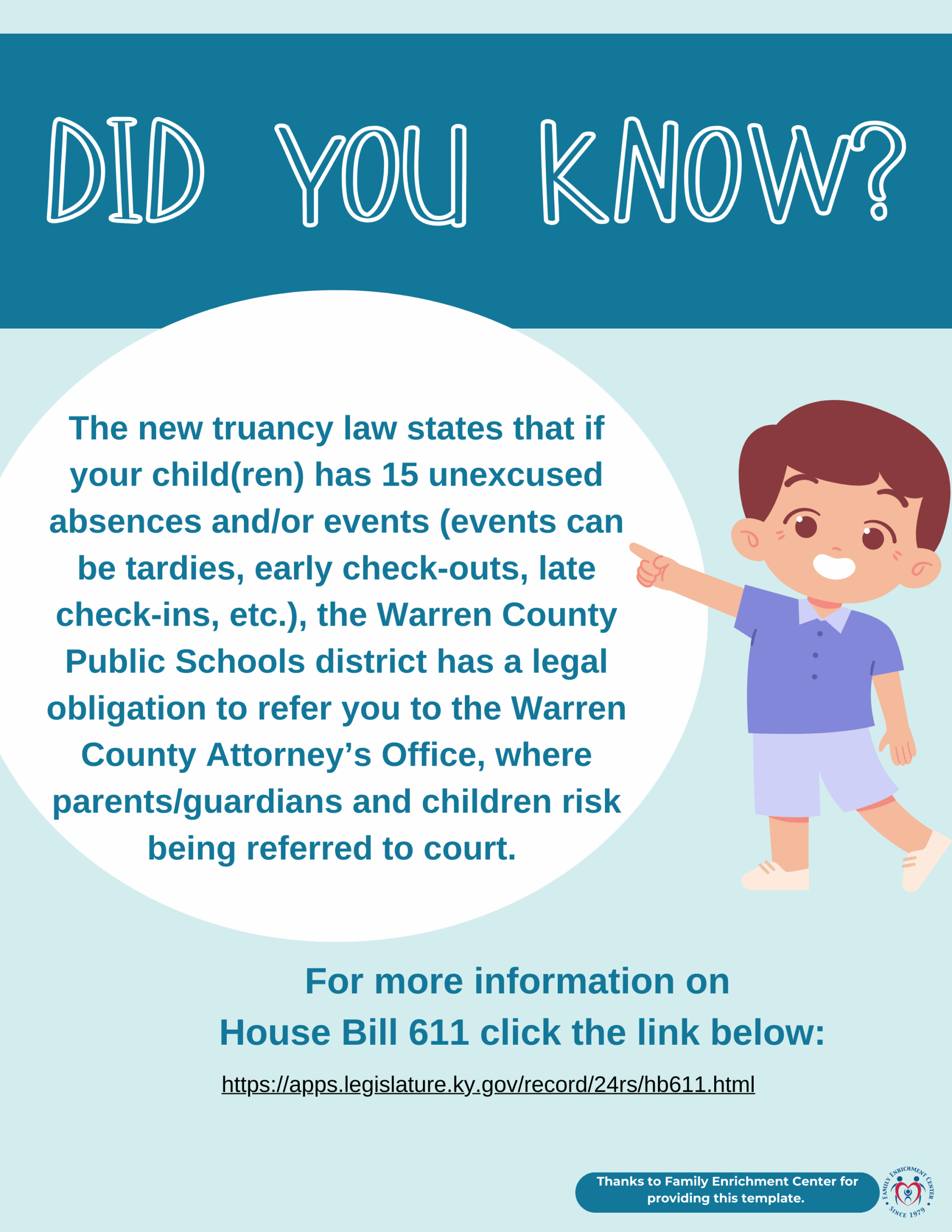
In recent years, Kentucky has seen a rise in reports of educational neglect, with schools and child welfare professionals citing chronic absenteeism and disengagement from education as growing concerns. In response, a new truancy law was adopted last year stating that if your child has 15 unexcused absences and/or events (tardies, early check-outs, late check-ins, etc.), the Director of Pupil Personnel has a legal obligation to notify the County Attorney’s Office by filing a petition. This could lead to parents/guardians and their children being referred to court intervention.
Researchers often highlight the trauma that children and families face before, during, and following child welfare involvement. Most families who are involved in the child welfare system, were already experiencing trauma before involvement. This could be due to living in poverty, dealing with substance misuse, or domestic violence issues, for example. The mental, emotional, and financial strain that comes with child welfare and court involvement can cause additional trauma to children and families.
Navigating this process can be overwhelming and confusing, causing all involved additional stress. Parents and caregivers may have to miss work to attend court hearings or meet case plan requirements, such as regular drug screenings, mental health evaluations, parenting classes, or taking children to appointments. If the child is removed from the home, the trauma can be even more severe.
These burdens, combined with the trauma already experienced by many families prior to child welfare involvement, highlight why efforts to prevent educational neglect and chronic absenteeism are so important. When implemented effectively, truancy prevention strategies can reduce unnecessary system involvement and allow families to access support before a crisis occurs.
How are the TFSCKY Regional Prevention Collaboratives taking action?
TFSCKY regional primary prevention efforts:
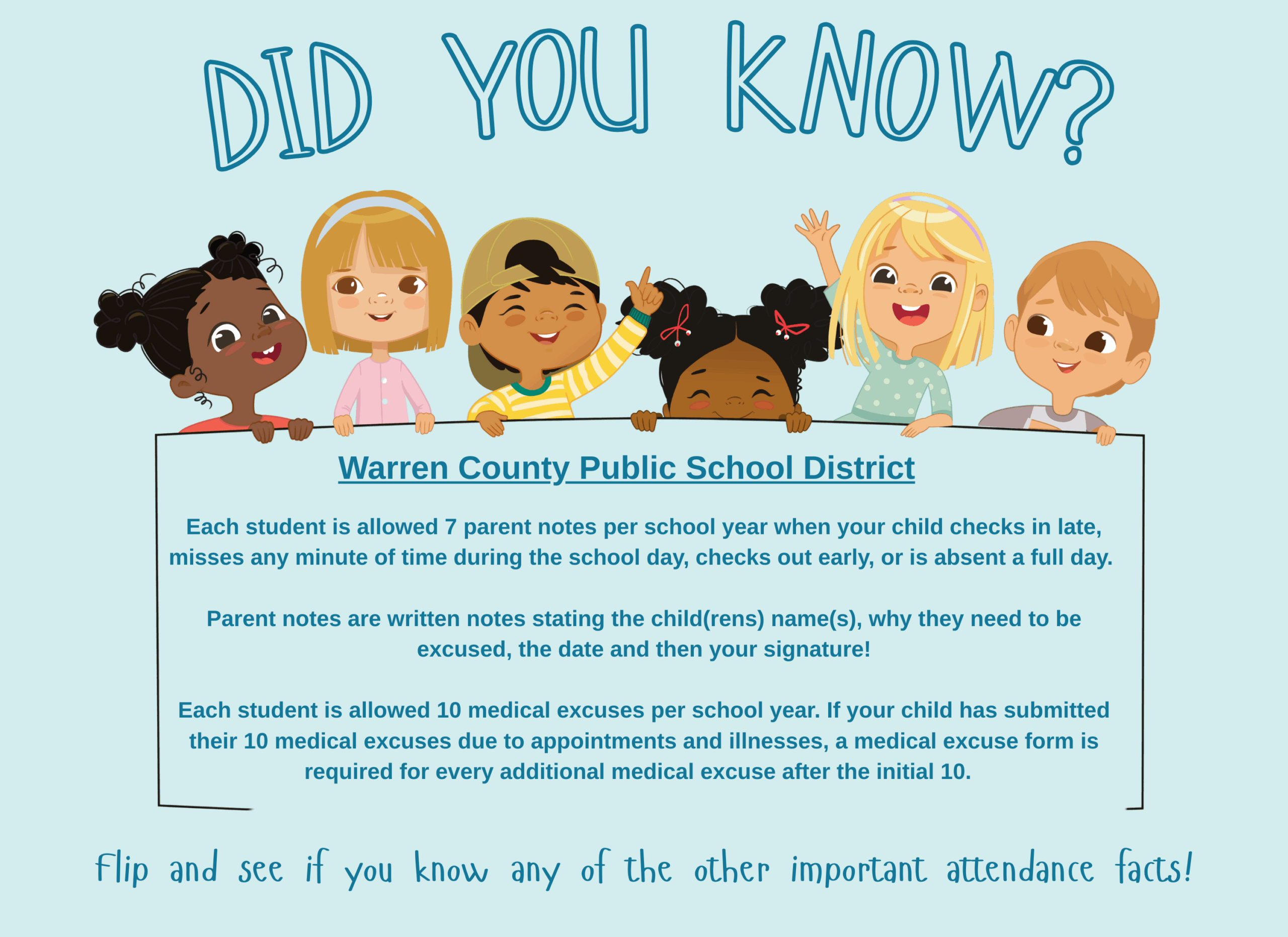
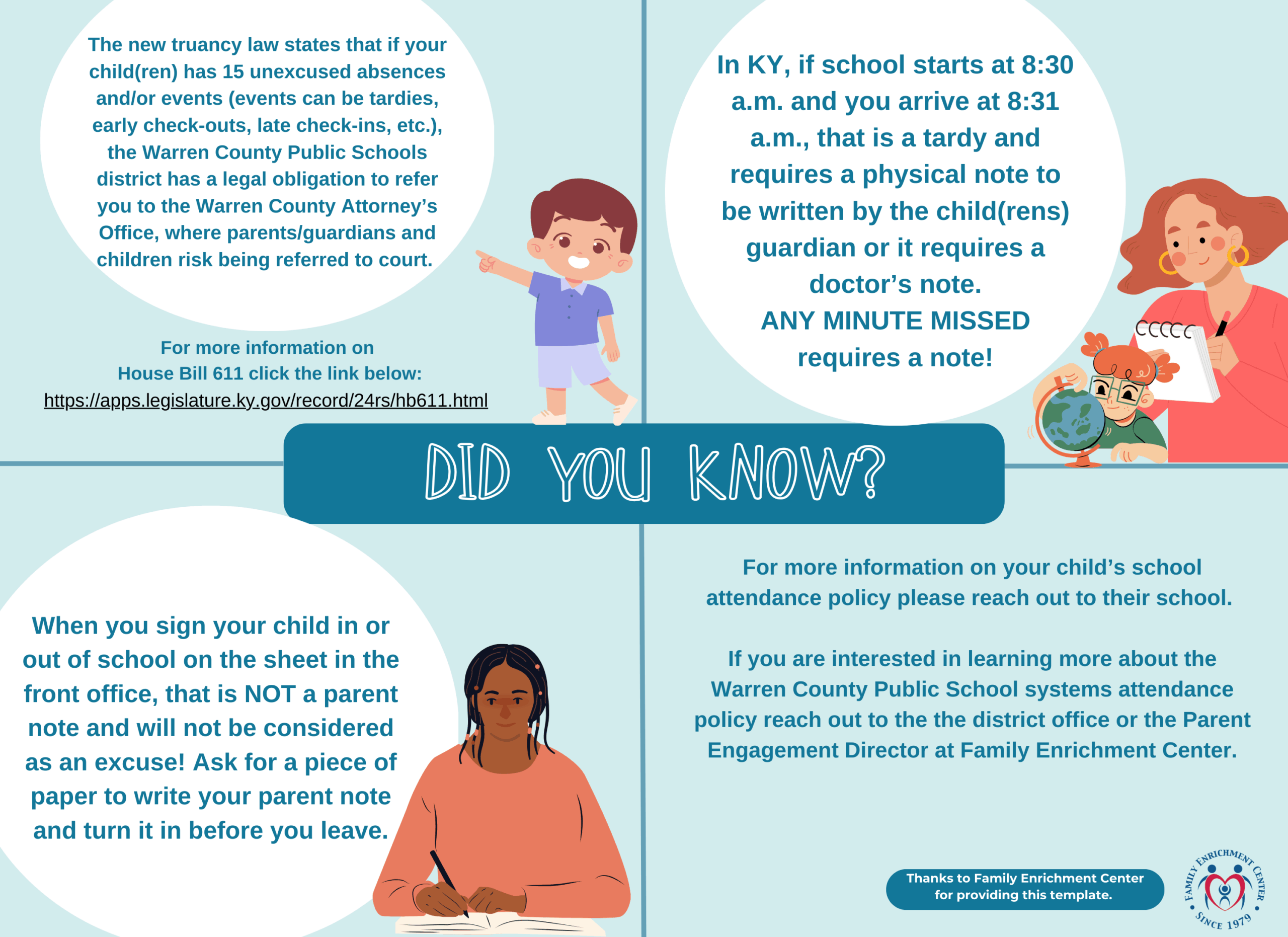
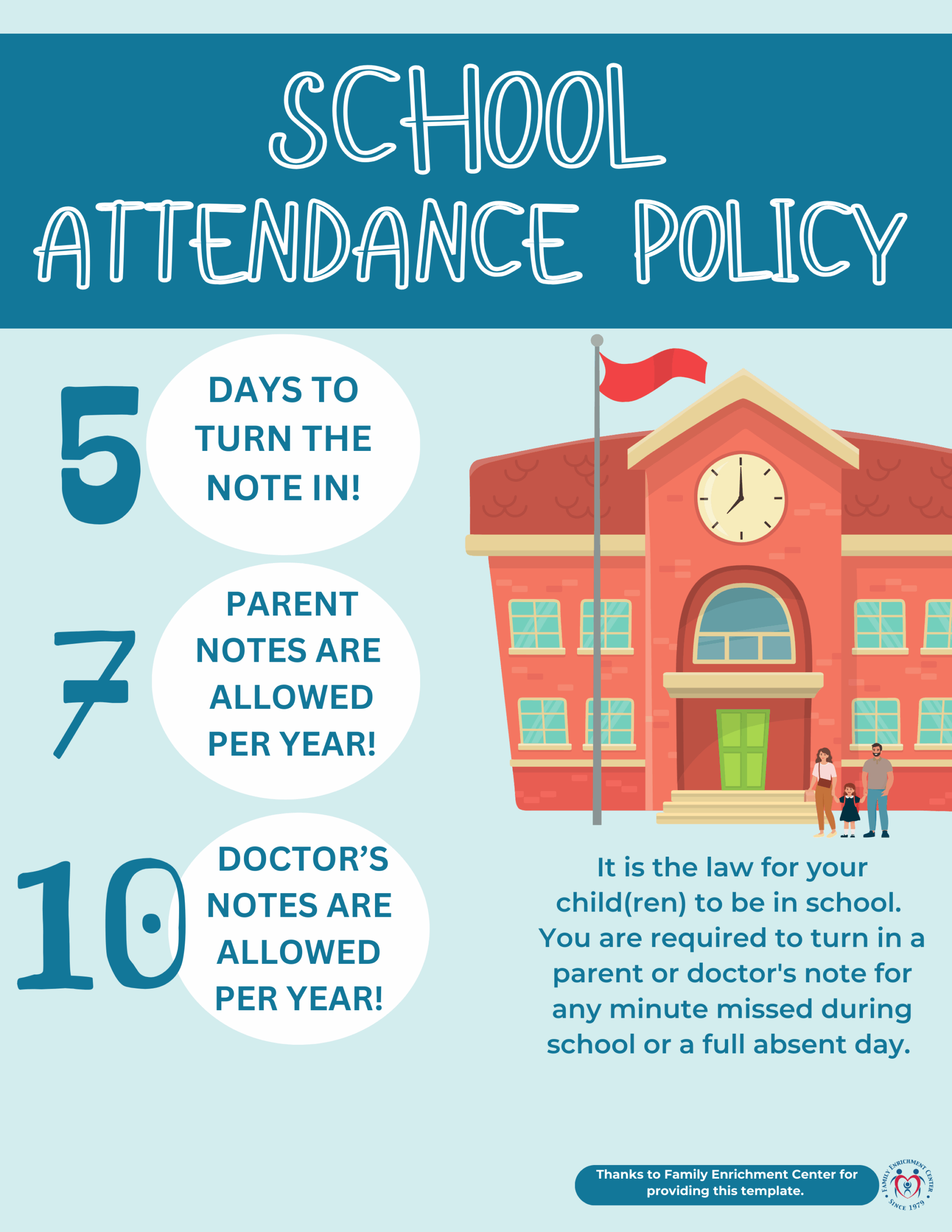
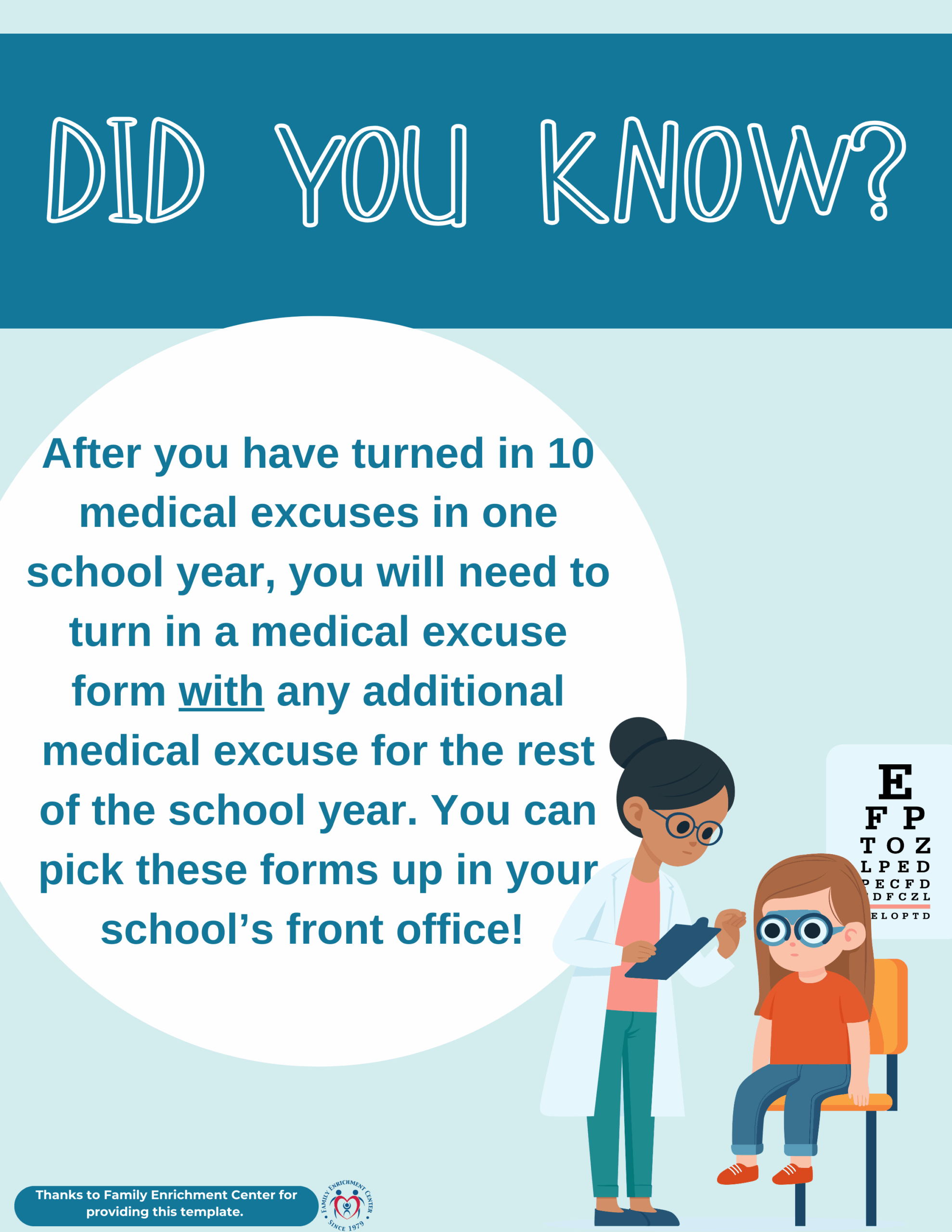
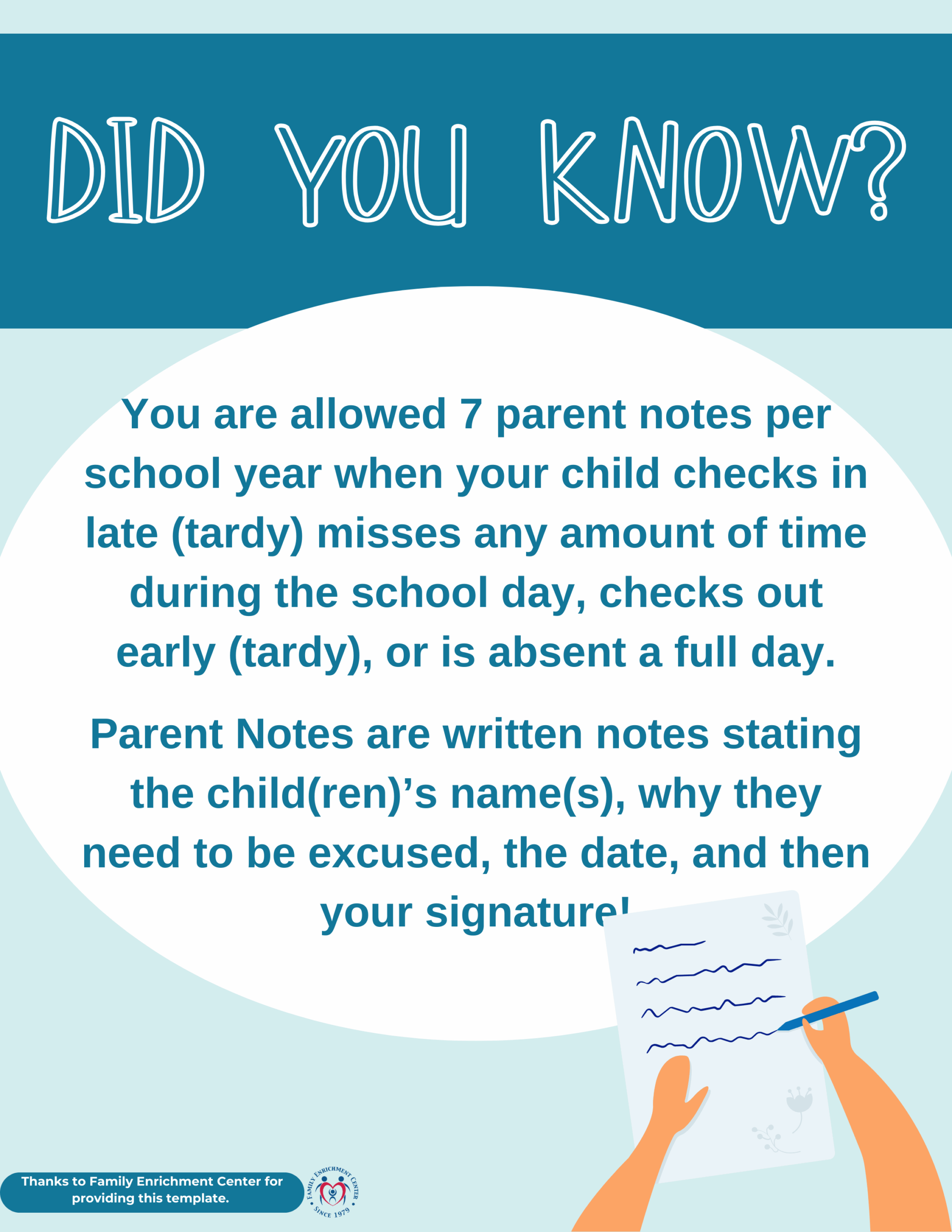
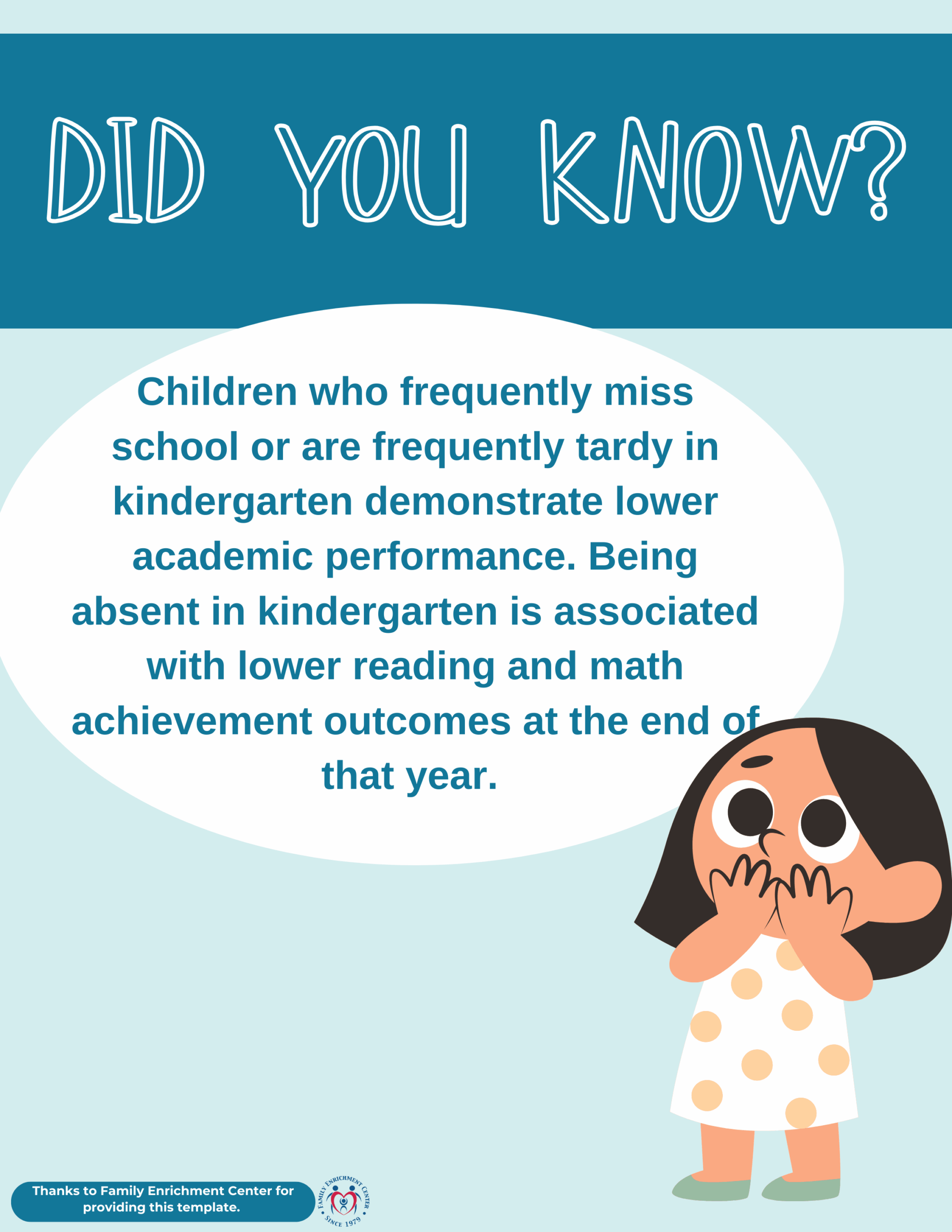
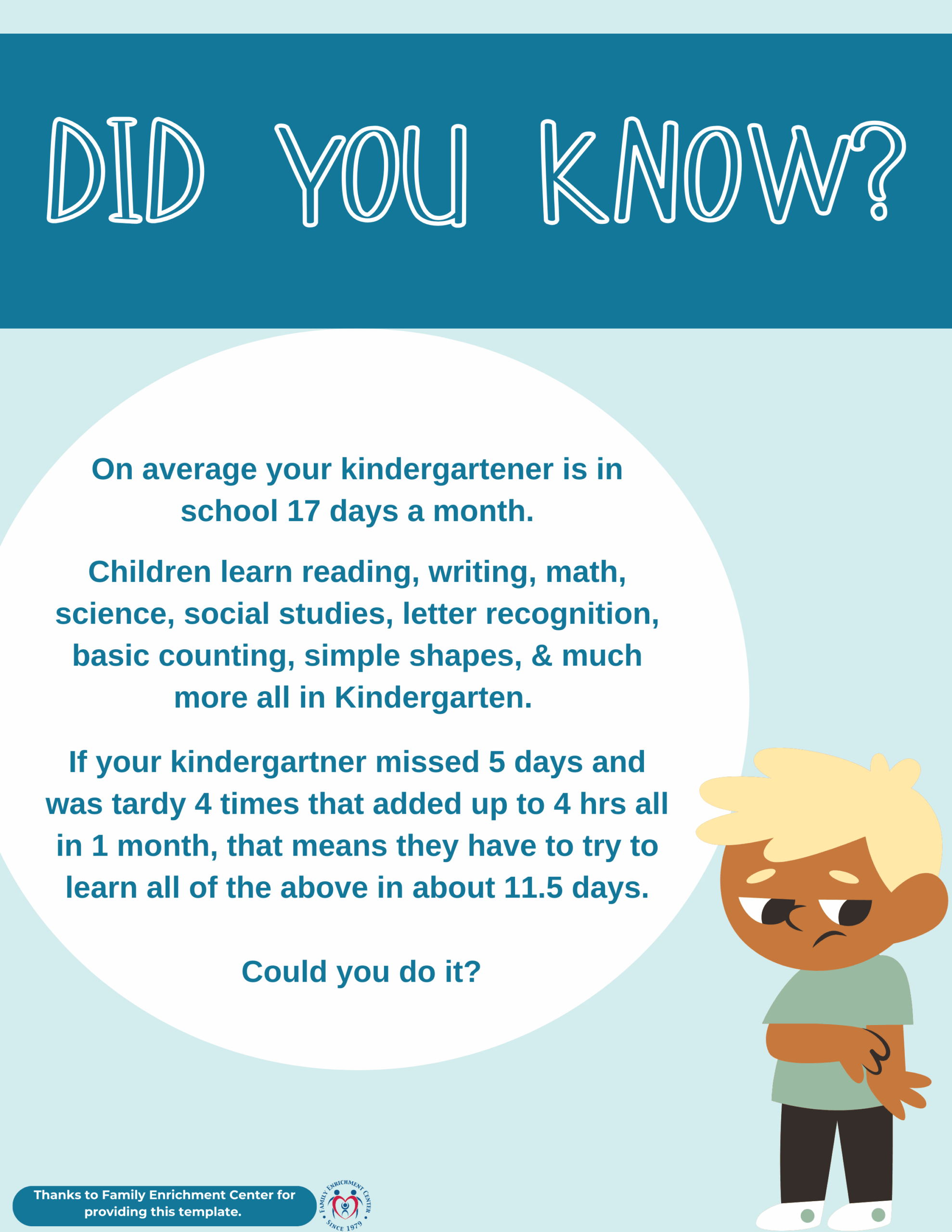
- The Two Rivers Region has developed many materials in order to address the issue of educational neglect and truancy including to raise awareness of attendance criteria and absence policies.
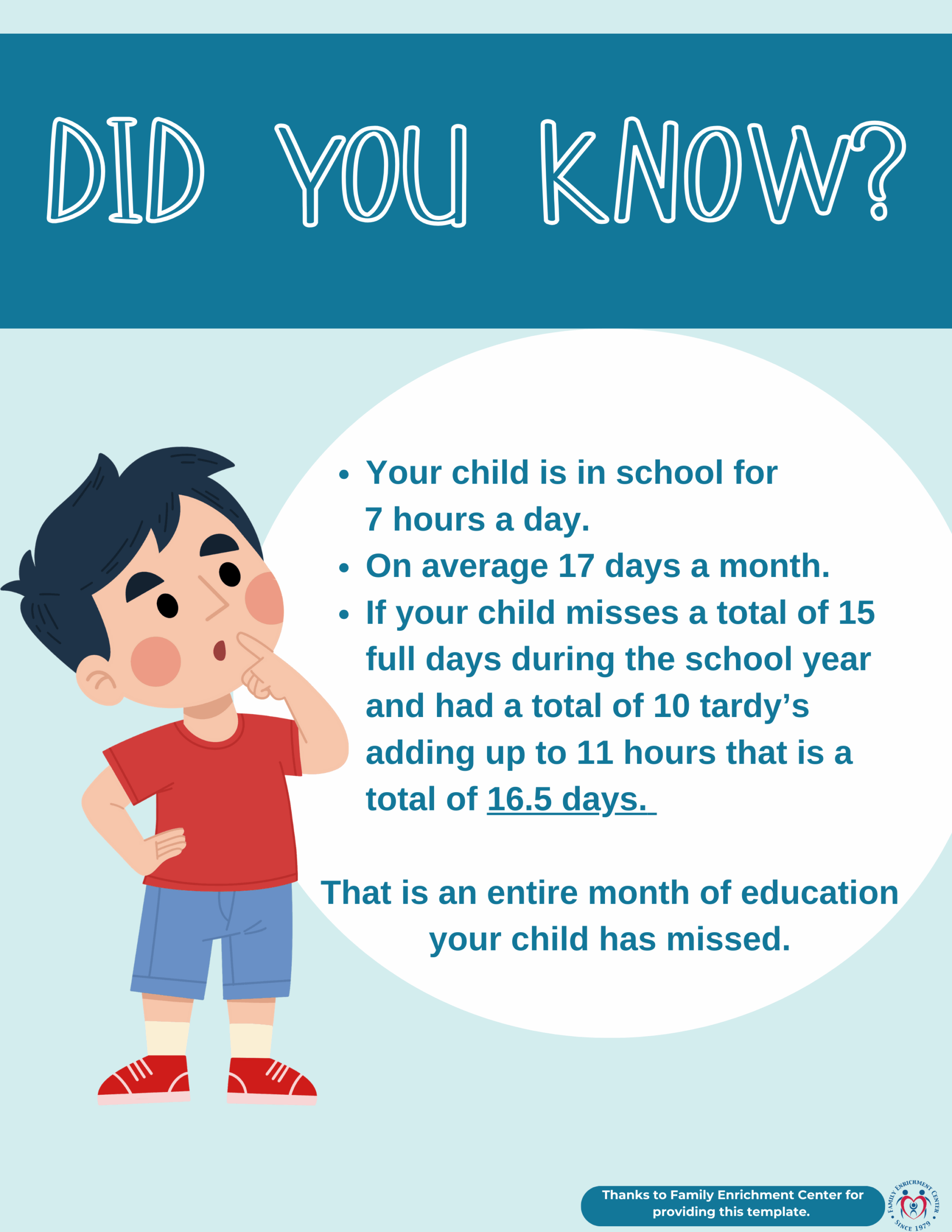
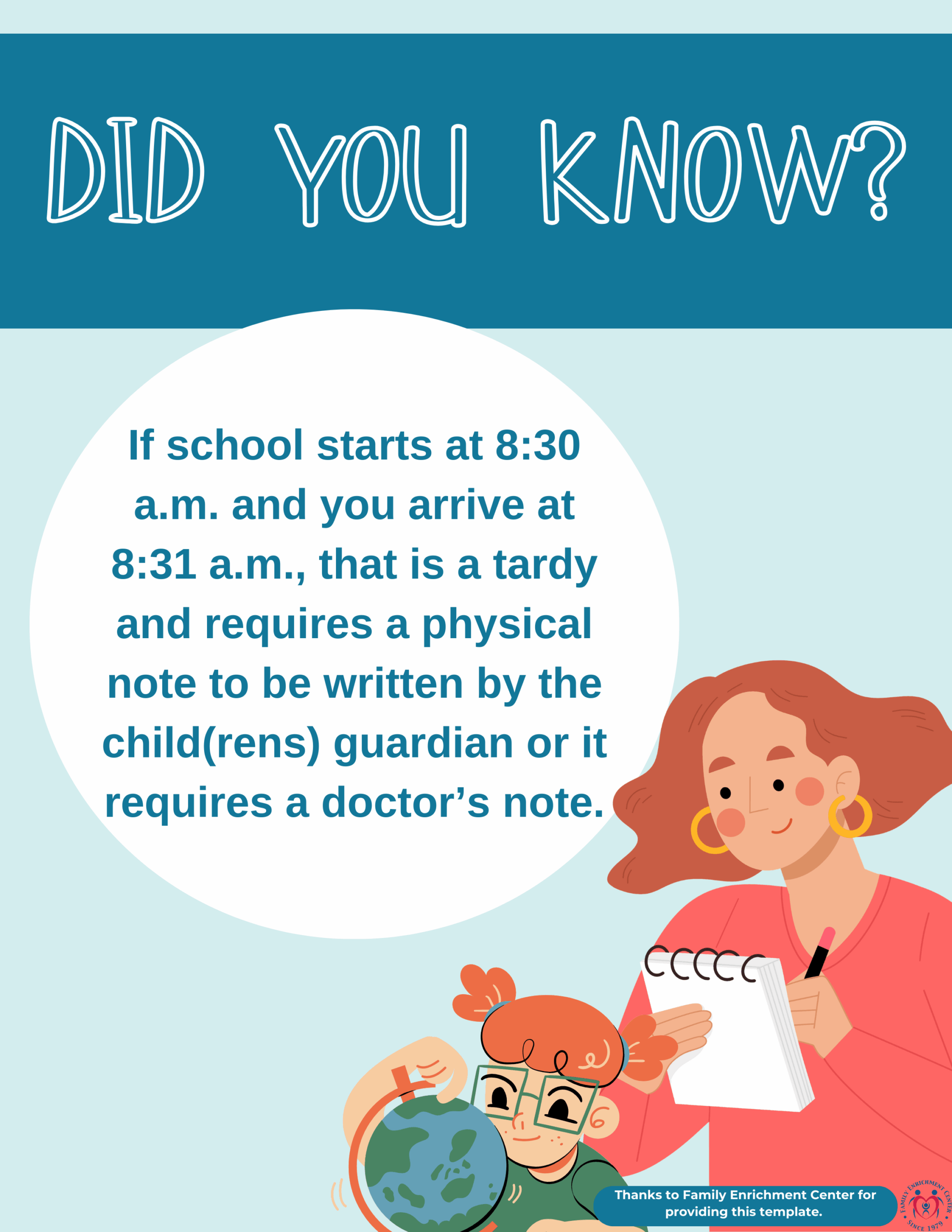
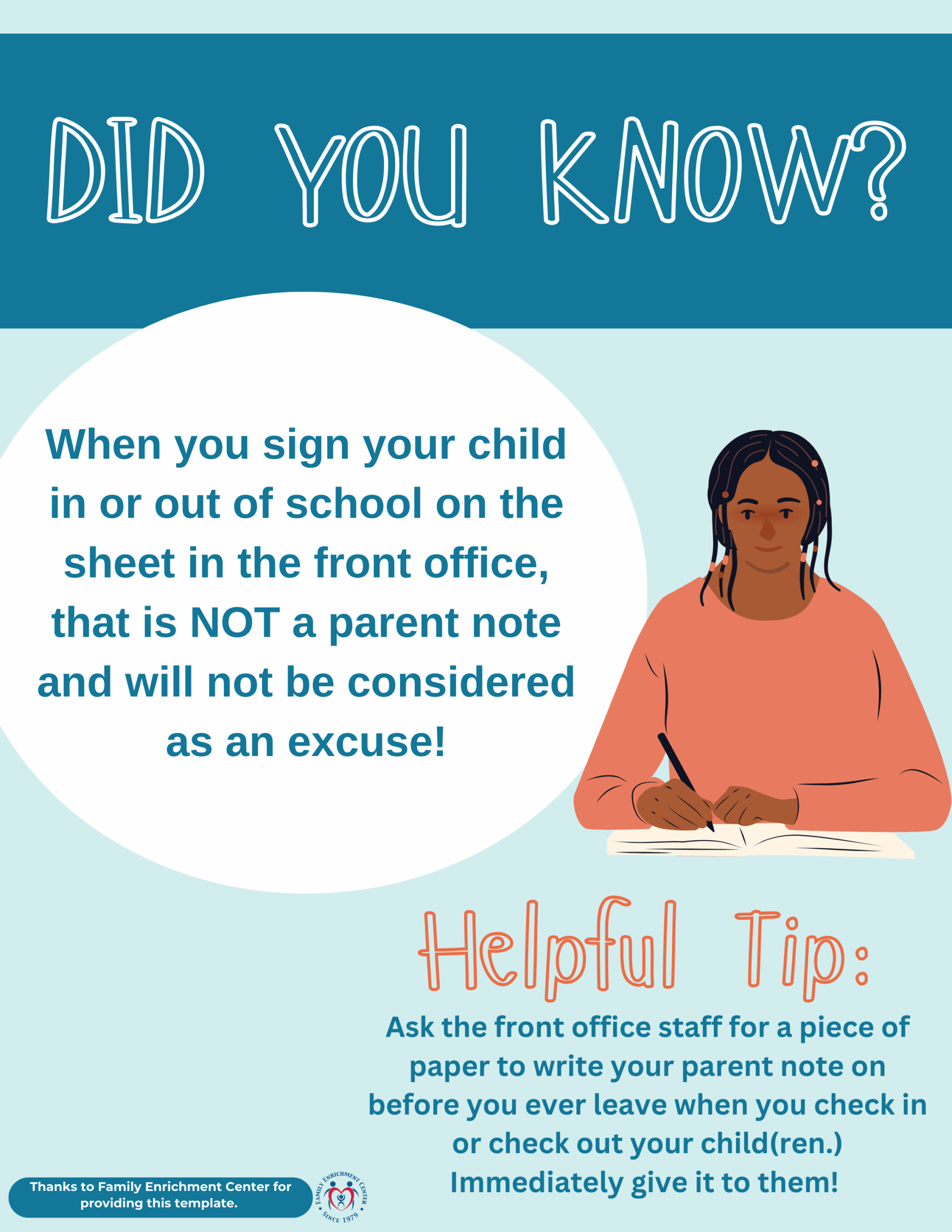
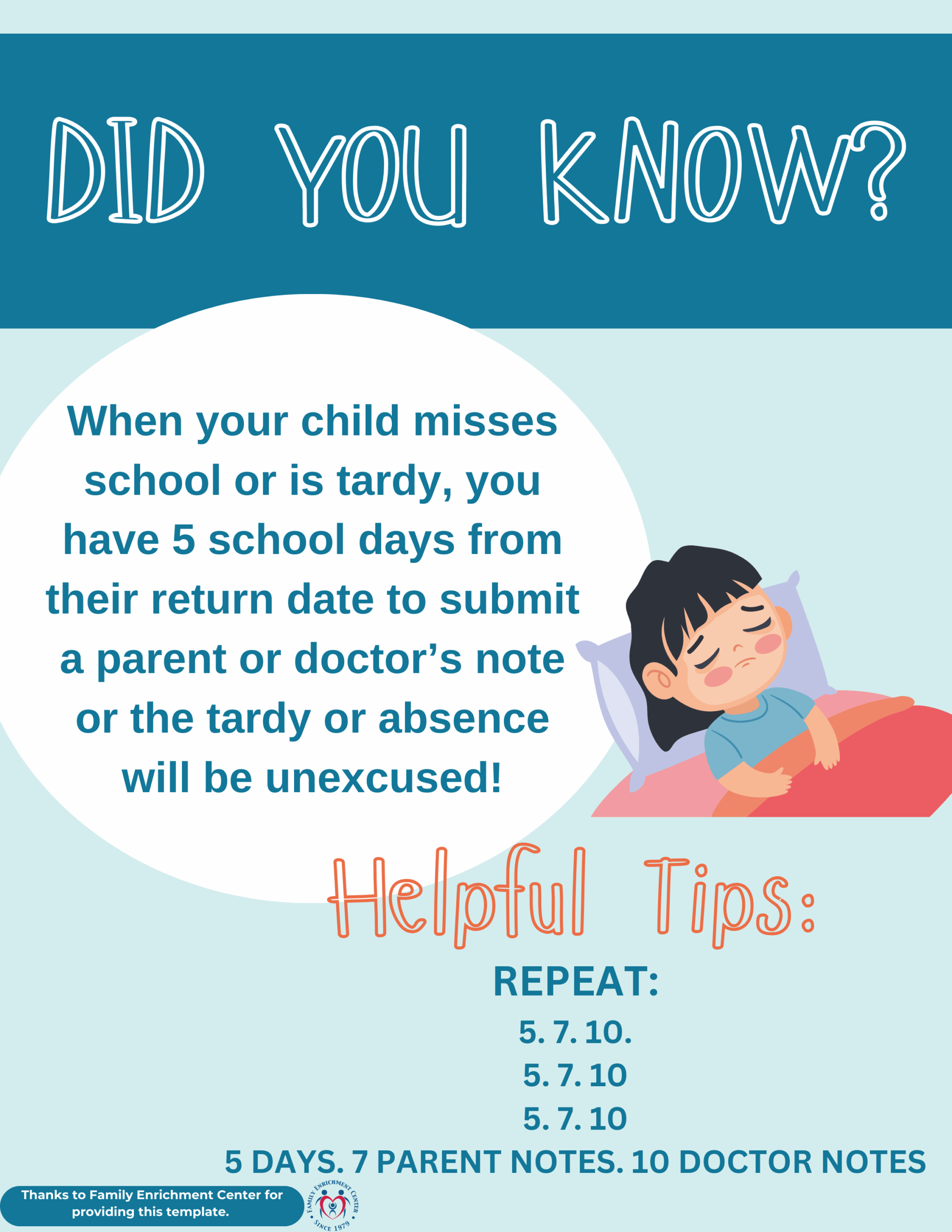
- “Did you know” posters and materials that highlight facts surrounding attendance criteria.
- Truancy cards that explain the new truancy law, attendance criteria, and have a list of local resources for families to access if needed.

TFSCKY regional secondary prevention efforts:
- Some schools within the Two Rivers Region have created parent note boxes that have a simple form that parents can fill out when checking their children in or out. These simple forms would then be counted as a parent note, which is classified as an excused absence.
- In the Jefferson Region, an elementary school has created a Google form that parents can fill out. This form will then be counted as a parent note, making the absence excused. The form includes information such as the parent’s name, child’s name, date of occurrence, reason for absence, etc.
- In the Northern Bluegrass Region, the CCC Regional Networks have a clear focus on Parent Engagement Meetings and are working diligently toward preventing educational neglect related issues. In 2023, out of 36 parent engagement meetings offered within this region, 26 families completed the meetings. Common risk factors/barriers that were identified during these meetings included transportation, need of FRYSC-services, and parenting, such as poor generational parenting cycles and lack of parenting education. With support in these areas, 20 of those 26 families who accepted services were diverted from DCBS.
Addressing educational neglect and truancy issues is a vital way to support Kentucky’s children and ensure families are thriving.
Proactive prevention efforts, such as improving communication with families, offering flexible absence reporting tools, and increasing awareness of attendance expectations, can help reduce educational neglect before it escalates to formal intervention. These strategies not only help keep families out of the child welfare system but also ensure that children are in school where they can socialize, learn, and grow.
If you would like to learn more about the work that all of the Regional Prevention Collaboratives are doing, you can read more here.

Photo by RDNE Stock project via Pexels


Leave A Comment