
The following testimony was shared on February 18, 2025 at the Senate Licensing & Occupations Committee on Senate Bill 100, sponsored by Senator Jimmy Higdon.
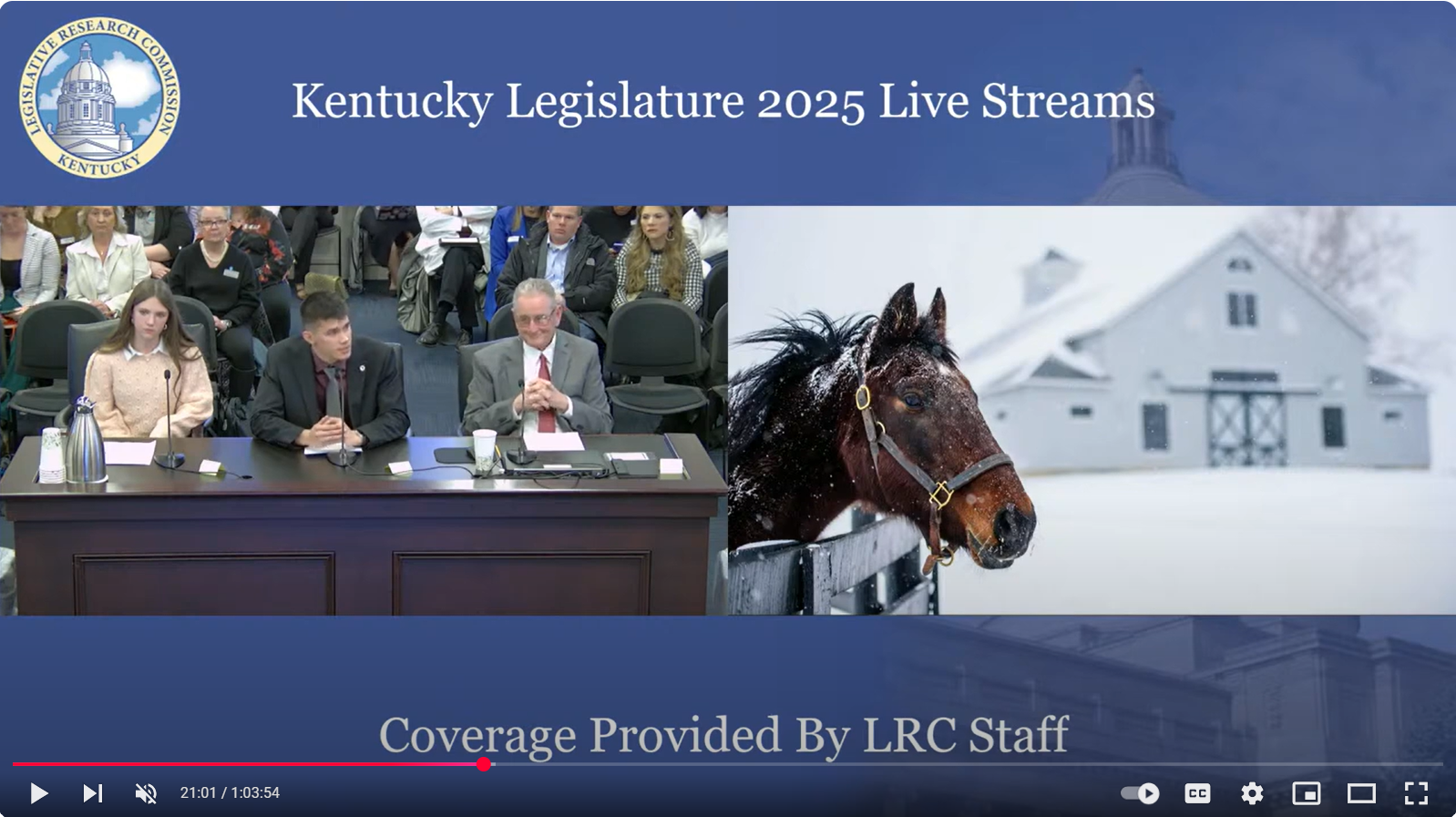 Testimony by Delanie, a freshman at Boyd County High School in Ashland and a Youth Advisory Board Member at #iCANendthetrend:
My name is Delanie, and I’m here not just as a youth advocate, but as a representative of a generation that is being targeted and exploited by an industry that profits from addiction. Every year, around 480,000 Americans die from tobacco-related illness—but today, I want to talk about the lives that tobacco takes before those deaths even begin.
Imagine this: a middle schooler, just 12 years old, trying a vape for the first time because it tastes like candy and their favorite influencer said it was “cool.” They don’t realize that one pod contains as much nicotine as 20 cigarettes and newer devices often contain even more. They don’t see the addiction coming, but it grabs hold of them anyway. By high school, they’re hooked.
This isn’t just a hypothetical. It’s happening in every classroom, every neighborhood, and every state in our nation. It’s happening because the tobacco industry is spending billions of dollars annually to target kids like me—kids who are still growing, still learning, still imagining what our futures could be.
The facts don’t lie:
- Nearly 1 in 10 middle school students and 1 in 5 high school students use e-cigarettes.
- Flavored tobacco products—menthols, sweet fruity vapes—are directly designed to appeal to youth.
- And let’s not forget: nicotine can permanently damage developing brains.
The consequences of inaction are devastating. This isn’t just about lung cancer 30 years down the line. It’s about kids dropping out of sports because their lungs can’t keep up. It’s about the anxiety and depression that nicotine addiction fuels. It’s about academic distraction and under-performance. It’s about an entire generation being stolen before they’ve had a chance to live fully.
Here’s what needs to happen — we need stronger enforcement of the Tobacco 21 law:
- Ensure all retailers are consistently checking IDs to prevent underage sales by establishing a licensing law and conducting annual compliance checks.
- Implement harsher penalties for stores that break the law, including loss of their retail licenses, and
- Ensure adequate funding for annual compliance checks and enforcement programs to hold the industry accountable.
These changes aren’t radical. They’re necessary. Every delay costs more lives. Every loophole in legislation lets addiction thrive. You have the power to make a difference—not tomorrow, not next year, but today. What you do here could mean the difference between a 14-year-old taking their first puff or saying, “No, I know I’m better than that,” or not facing that decision at all.
There’s a quote that inspires me every day: “The true measure of a society is how it treats its most vulnerable members.”
Right now, youth are among the most vulnerable to the predatory tactics of Big Tobacco. But together, we can change that. I’m asking you not just to hear me today but to act—boldly, decisively, and with the courage to put the health and future of our youth above all else. Let’s make this a turning point, not just another day of discussion.
Testimony by Griffin Nemeth, Youth Advisory Board Coordinator at #iCANendthetrend:
 Nicotine dependence and the accessibility of nicotine products pose a real threat to Kentucky kids, including to their health, education, and futures. We are here today for a number of reasons, one of which is to provide context both for the issue and for our ask regarding tobacco retail licensure. We understand that experience–and the stories of Kentucky youth like Delanie–matter but the facts matter too.
43% of 15–20-year-olds who use e-cigarettes were sold these products from a retail store, at 12% in Kentucky compared to 7.3% nationally.
Kentucky is one of only about 10 states that does not require retailers of nicotine products to be licensed. That means we don’t even know where these businesses are located in order to conduct compliance checks and ensure that they are not selling to kids.
In fact, Kentucky has one of the highest densities of nicotine retailers in the US. For every McDonalds in our state, there are at least 20 retailers who sell nicotine products. Better stated, the exact number of nicotine product retailers is not known and is estimated to be much higher than the figure we’re familiar with because we do not require them to be licensed as we do for hair salons, air duct cleaners, and a wide variety of other comparatively innocuous businesses.
Proposed policy–and strong policy in general–would (1) require licensing, (2) at least annual compliance checks, and (3) establish escalating penalties for repeat violations of the law prohibiting the sale of nicotine products to kids.
Tobacco retail licensure is not anti-business. As do each of you, we care about preserving the growth and integrity of Kentucky’s economy. The only businesses who will be harmed by retail licensure are those acting criminally, selling (often) illegal nicotine products to underage kids…
If I sound passionate and resolute, I am, and I hope you are, too. We are asking you today to not only support and pass licensing legislation here in committee but then stand firm as the legislation advances, resisting amendments and the inevitable interference of the tobacco industry.
Thank you, Senator Higdon, for the work you have done and are doing to protect Kentucky kids with sensible and serious licensing legislation.


Leave A Comment