
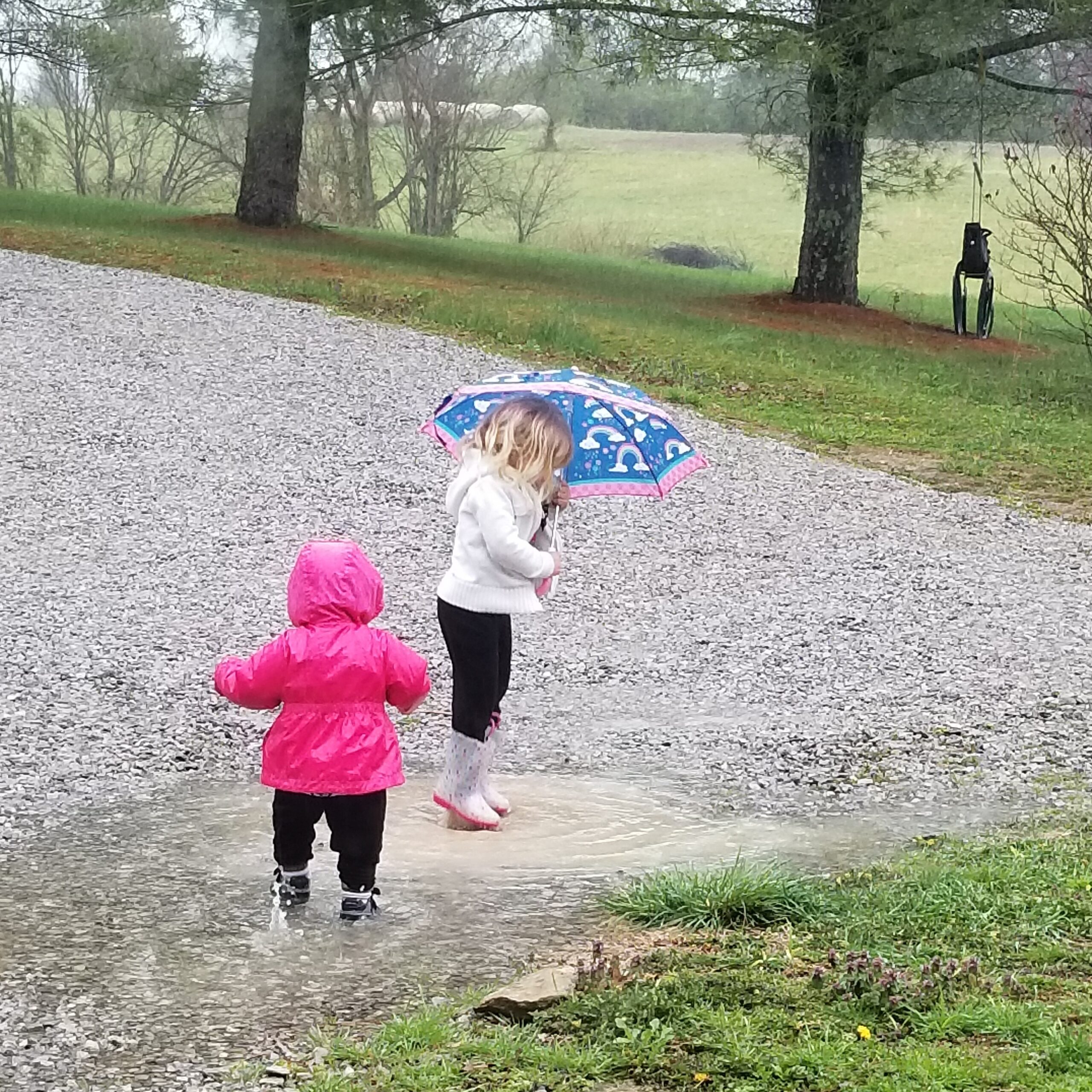
 Many moons ago, before I was born, and when my brother was just a little boy – the sky one day turned the color purple and in moments, the wind picked up and my family found themselves huddled under an old pick-up truck praying that the wind would subside. That day a tornado hit my home lane of Hillsboro and turned my family’s single-wide sideways.
To this day, whenever the wind picks up, my father’s anxiety resurfaces, as if he’s transported back to that moment in time.
With the recent flooding in eastern Kentucky, stories like my father’s are all too familiar. Many Kentuckians are now facing the aftermath of yet another natural disaster – homes lost, communities uprooted, and a deep uncertainty about the future. Now more than ever, we must acknowledge the impact of these experiences on individual well-being and collective resilience.
Expanding Our Understanding of ACEs
When we talk about Adverse Childhood Experiences (ACEs), many people think of the traditional categories: neglect, abuse, and household dysfunction. However, our understanding of ACEs has evolved to include a broader range of experiences, such as adverse community environments. Among these are adverse climate experiences, which, like other ACEs, can generate toxic stress with long-lasting effects.
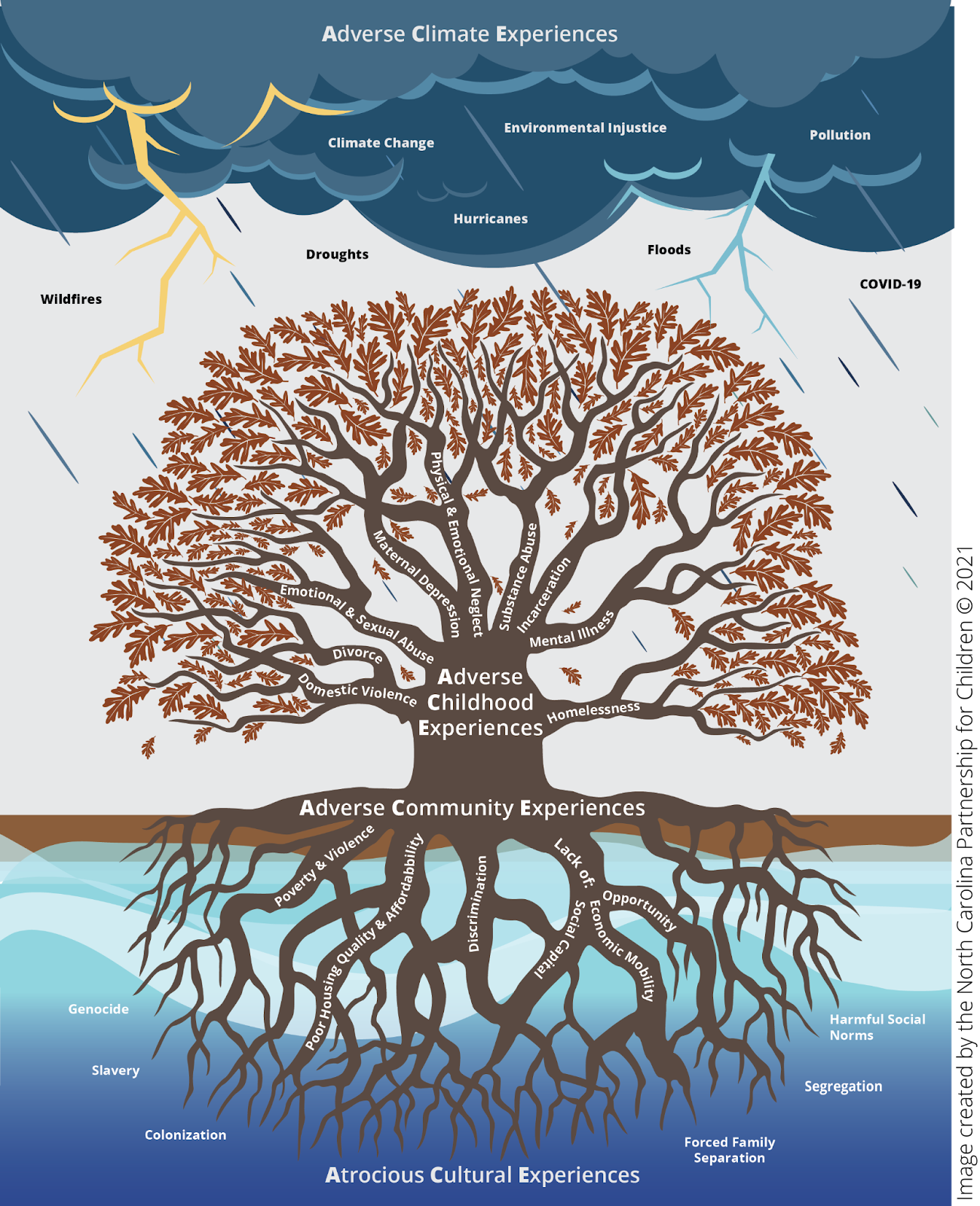 The illustration below, developed by the North Carolina Partnership for Children, highlights how the ACE framework has expanded to include four primary categories of adversity – one of which represented by the storm cloud is adverse community environments.
Adverse climate experiences—such as natural disasters, extreme weather events, and environmental instability—can have a profound impact on a child’s development, contributing to toxic stress in ways similar to more traditional ACEs like neglect or abuse.
When a child experiences fear, uncertainty, and the loss of safety from events like tornadoes, hurricanes, or floods, the body’s stress response is triggered. In the short term, this may seem manageable, but when such events are frequent or deeply traumatic, this toxic stress can lead to long-term consequences, affecting everything from mental health to academic performance and even physical health.
When news breaks of tornado touchdowns and rising floodwaters, I think about my father—but I also think about the many Kentuckians who feel that same unease when a storm approaches.
How do we support one another emotionally during these moments? How do we build resilience in the face of environmental adversity?
Building Resilience in the Face of Adverse Climate Experiences
While we cannot control the weather, we can control how we respond– through connection, trauma-informed support, and policies that prioritize family well-being in the wake of climate-related disasters. Investing in concrete supports, mental health resources, and emergency preparedness can help mitigate the long-term impact of adverse climate experiences.
Because while the storms may come, how we weather them together can make all the difference.
For those affected by the recent floods in Eastern Kentucky, resources are available to help:
- Support recovery efforts: bit.ly/AppCrisisAid
- Find contacts and resources: bit.ly/2025KentuckyFloodResources
- Learn more from our Bloom Kentucky partners at the Foundation for Appalachian Kentucky: www.appalachianky.org/flood




Leave A Comment