
During life’s most challenging moments, the presence of a supportive family can be a lifeline, providing stability and strength. And for our youth, Positive Childhood Experiences (PCEs) are foundational in helping children build resilience, emotional well-being, and the capacity to overcome adversity. As we dive into our second key PCE in this blog series, I reflect on my own childhood experience of having a supportive, familial adult in my life, and how it taught me the transformative impact of family support, and how it can shape the foundation for a thriving future.
Spotlight on PCE: The sense that family is supportive during difficult times.
According to studies on PCEs, positive family relationships during childhood—whether from biological relatives or chosen family—are critical in buffering the effects of trauma. Research shows that children who report higher PCEs are more likely to maintain a sense of optimism, social connectedness, and emotional regulation later in life. This form of support provides a sense of safety, enabling children to navigate life’s challenges with confidence. This support not only mitigates immediate stress, but also sets the stage for long-term well-being well into adulthood.
What Does This Look Like in Action?
During the height of the financial crisis of 2008, my childhood home was put under foreclosure. The uncertainty of losing our home at the age of 12 brought a whirlwind of fear and instability that had no way of processing alone. Thankfully, when my family was at the threshold of homelessness, I found solace in the home of my Church Mother: Helen Burton, who I knew as “Mama B”.
Mama B welcomed me into her home with open arms. Without hesitation she sacrificed her spare room for my pre-teen self, and what was left of my belongings. She created an environment of unconditional support, offering not just a roof over my head but also a foundation of love and stability in my difficult time. Under the guise of teaching me to cook “proper southern food”, as she phrased it, she gave me a space to grieve, which I was unfamiliar with before. It was through our cooking that I felt comfortable opening up about my new reality.
Helen’s home became a sanctuary and helped me realize the support I had in my life. By having Mama B help me process my hardship, I was equipped with the tools to build resilience in my youth. Helen and I stayed close until her passing in 2021, and it was the authentic bond we formed during this difficult time that gave me support in my childhood, that without her relationship I may not have had.
It is important to me to highlight that PCEs can come from non-traditional family structures, like mine. Families are not always defined by blood but by the relationships that nurture us. As we continue to learn more about the importance of PCEs, it’s clear that fostering supportive environments for children is crucial—not just in families but also in schools, faith communities, and neighborhoods.
Every Child Deserves Support During Difficult Times
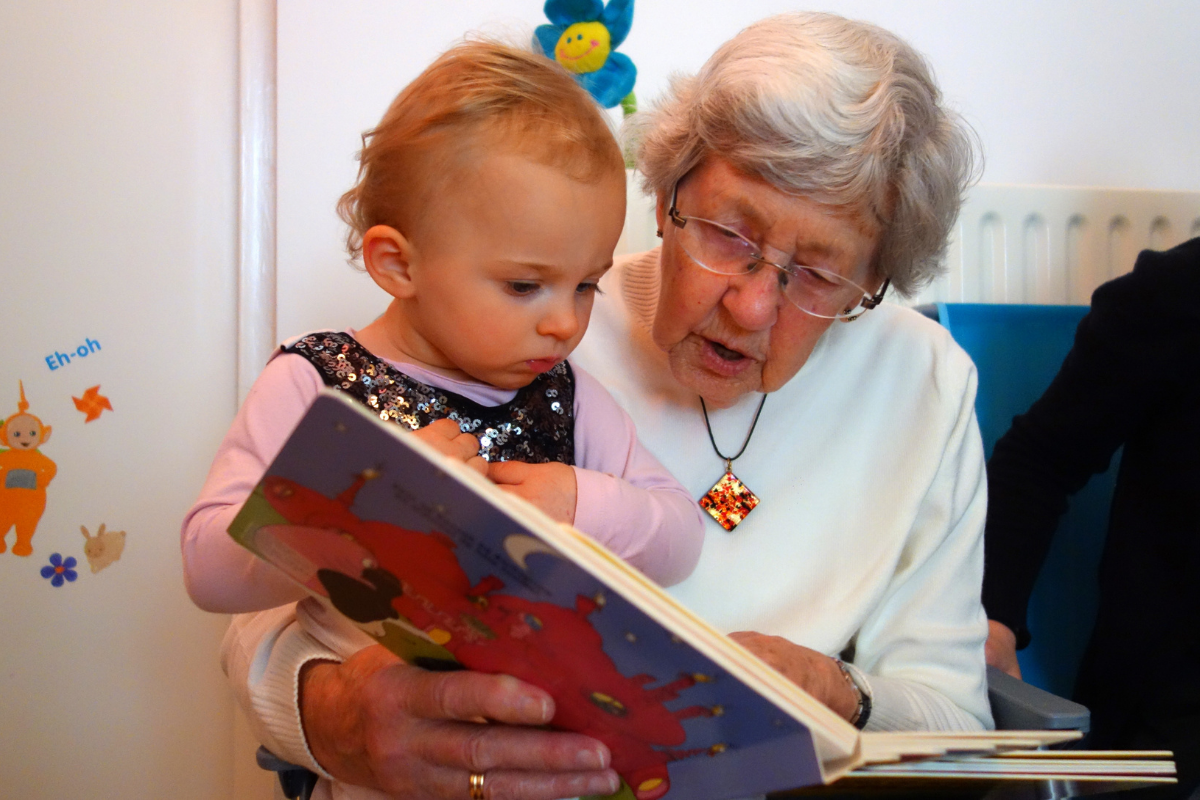
Every child deserves a Helen Burton in their life, someone who provides them with love and stability during their most difficult moments. By prioritizing these positive relationships and experiences, we can help ensure that children not only survive adversity but thrive despite it.



Leave A Comment