
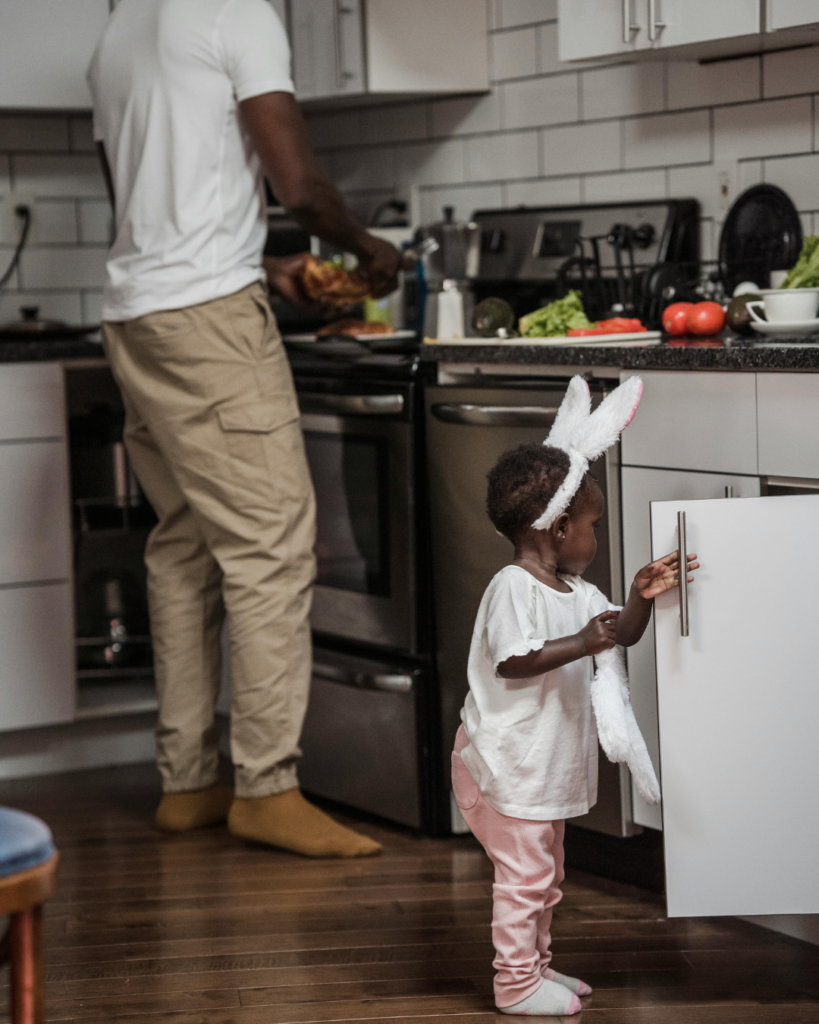
Young children learn by exploring the environment through their senses. This means that the brain and the body take in information through seeing, hearing, touching, tasting, and smelling objects that they come into contact with in their environment. Infants and toddlers particularly have the overwhelming urge to place everything in their mouths in order to see what it is like. Young children often put toys and different foods in their mouths, but without constant supervision, these same children will easily place dangerous substances in their mouths like medication, household cleaners, or even illegal substances.
The 2025 Annual Report for the Child Fatality and Near Fatality External Review Panel shows a steady increase in accidental pediatric ingestions over the past five years. In the 2024 State Fiscal Year (SFY), eleven children lost their lives to accidental ingestions, but many more children were hospitalized with devastating effects. Although extremely powerful and dangerous drugs like fentanyl and methamphetamines were on the list of the most commonly ingested drugs, the most common drug listed in Kentucky was cannabinoids.
Cannabis is now one of the most commonly purchased drugs throughout the world, due to legalization in many areas. It has been shown to display medical benefits for many adults fighting chronic illnesses; however, it can have devastating effects on children. Common symptoms include drowsiness, nausea, and vomiting, but depending on the amount of the substance ingested, symptoms can be as serious as respiratory failure, seizures, or even death. One of the most dangerous aspects of having this drug in the same home as young children is that it is often found in the form of a gummy and looks similar to candy.
Although many of us may assume that illegal drugs or controversial medications are the only cause of life-threatening ingestions, the same problems can occur with legally prescribed prescriptions and even over-the-counter medications and vitamins. The most immediate impact can be from medications issued for blood pressure or blood sugar.
It is also important to remember that “child-proof” containers may not actually be child proof. As an adult with a chronic health condition, I have to take prescription medication twice a day. Before my children were born, I simply kept the prescription bottles on my nightstand and continued that habit after my children were born. Then one day I found my toddler sitting on the floor shaking my prescription bottle so that he could hear the sound the medication made when he moved the bottle. It became clear very quickly that I had to find another plan.
Fortunately, it isn’t complicated to store medication safely. Adults in the home need to take the time to make sure that several precautions are put into place.
- All medications, vitamins, and cleaning products need to be stored in a place that is locked and out-of-sight. Medication lockboxes or safety bags are easy to access and not expensive.
- Watch out for medications, vitamins, and cleaning products that look like candy. This is particularly important for medications in a gummy form or items like detergent pods. Make sure that they remain out of reach and out of sight so that children are not tempted to explore them.
- Keep medication and dangerous chemicals in their original containers. Although they are not foolproof, most companies do try to produce safe containers to make it harder for a child to access. If we transfer these items into Ziploc bags or storage containers, it is much easier for a child to open them.
- It’s important to have a medication safety plan when traveling. This is important when you visit a grandparent’s home that may not have child-proofing measures in place, but it is also important in a hotel room when you don’t have access to locked cabinets and other typical precautions.
- Remember to call the Poison Control Center whenever a child accidentally ingests a drug or chemical for the best technical assistance: 1-800-222-1222. Someone can respond to your phone call 24 hours a day.
Find more tips for safely storing medications at home from the Kosair for Kids Face It Movement at faceitabuse.org/safemedicationstorage/.
As we attempt to make these personal changes in our own homes, the Kentucky legislature is also creating policies to keep our youngest children safe.
During the 2026 legislative session, Representative Nick Wilson successfully passed House Bill 778. This was a large child welfare bill, but it did include a requirement for law enforcement officers to receive a policy and procedures manual on pediatric ingestions. The bill also requires mandatory and ongoing training on pediatric ingestions for child care providers, DCBS frontline staff, social workers, medical providers, and law enforcement. Along with a strong emphasis on education, House Bill 778 increases the penalty for criminal abuse and neglect if a child under the age of 13 accidentally ingests a controlled substance.
This emphasis on education, both for families and frontline workers, will help to make sure that our most vulnerable Kentuckians stay healthy and safe.



Leave A Comment