
By Kathleen Baldwin, Intern at Kentucky Youth Advocates
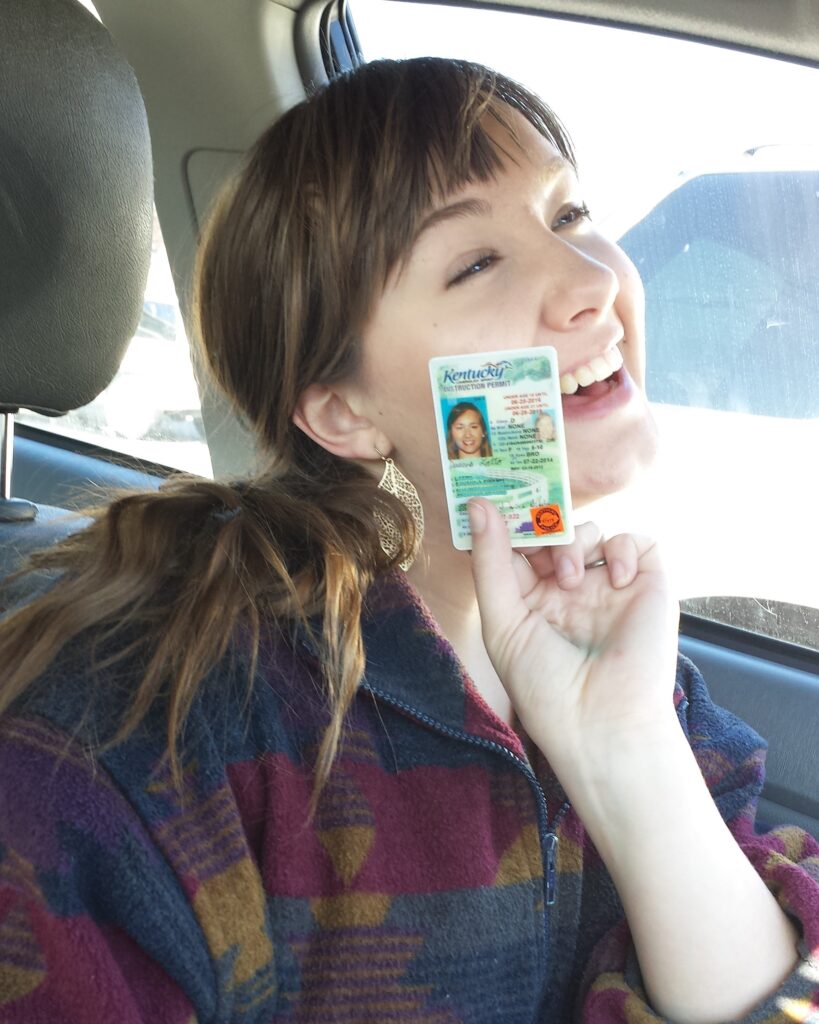
Getting behind the wheel for the first time and the ability to drive themselves to school, work, and social events is among one of the many milestones celebrated by teens across Kentucky. This is often an exciting time when teens gain independence, but it also comes with some important safety considerations.
Graduated Driver Licensing (GDL)
Every state has its own unique graduated driver’s license (GDL) program, outlining distinct steps teens must take before receiving a full driver’s license. Currently in Kentucky, youth can take their permit test – written knowledge test and vision test – at age 16. At age 16.5 years they can take their intermediate test – road test – after completing their Practice Driving Log. Finally, at age 17, they can receive their full unrestricted license.
GDL laws are designed to ease new drivers to independence and provide ample time for practice before driving by themselves. Kentucky legislators took this action in 2006 and significantly improved the laws for new teen drivers, including the addition of a GDL. The efforts paid off—just one year after the law had taken effect, the Kentucky Transportation Cabinet reported in the Highway Safety Plan a 19 percent drop in highway fatalities of young drivers.
Although we have made strides toward keeping teens safe on the road, Kentucky continues to have the highest fatality rate among teen drivers.
Proposed Changes and Potential Impact
During the August Interim Joint Committee on Transportation meeting, Representative Steven Rudy presented a bill proposing a change to Kentucky’s current permit attainment age.
The proposed change would allow a Kentucky teen to receive their permit as early as age 15 and drive by themselves by age 16 (intermediate license). The amount of required supervised driving hours (60) during the permit phase would remain the same, even though that phase would be extended by six months.
Although Representative Rudy discussed potential positive impacts of this bill, such as allowing Kentucky youth to drive themselves to work when they turn 16 years old, safety concerns should also be considered.
According to the Insurance Institute for Highway Safety’s GDL calculator, the proposed bill could significantly impact Kentucky drivers. It estimates an increase of 6% in collision claims and a 23% increase in fatal crashes.
What the Data Shows
The research team at Kentucky Youth Advocates completed a retrospective analysis with information from the National Highway Traffic Safety Administration (NHTSA) Fatality and Injury Reporting System Tool (FIRST) from 2008 to 2022. Kentucky’s fatality rate (number per 10,000 teen drivers) was compared to states that have similar GDL statutes currently and against ones that have GDL statutes in the proposed bill.
Compared to states that have a minimum age of 15, an intermediate age of 16, and the full licensure at 17 or 18, Kentucky has the highest rate of driver deaths with 3 per 10,000 drivers. The states analyzed include Georgia, Texas, Utah, and West Virginia.
Other states evaluated had the minimum age of 15, intermediate age of 16, and full licensure at 16.5 years. These states were Arizona, Minnesota, Nevada, New Mexico, North Carolina, South Carolina, and Wyoming. Again, Kentucky, along with Wyoming and New Mexico, had the highest rates of teen driver fatalities.
So the question that will need to be discussed during the upcoming state legislative session is: is this bill appropriate for Kentucky considering its high rate of crash-related teen fatalities?





Leave A Comment