
This guest post was originally published by the Kosair for Kids Face It Movement during Bystander Awareness Month.
by Dr. Nancy L. Weaver
 You see a parent yelling at their child in public. What should you do?
Let’s say you stop by the grocery store after a long day at work in a hurry to get something quick for dinner. As you’re rushing through the store, you hear a mom berating at her son. You try to ignore them, but they’re getting louder – your palms sweat, your heart beats faster. You want it to stop.
Or…
You’re at the grocery store with your toddler. It’s been a stressful day, and you just need to get something for dinner. As you’re rushing through the store, your toddler falls down on the ground kicking and screaming. Everyone turns to stare, and you just can’t keep it together. You yell, your palms sweat, your heart beats faster. You want it to stop.
In these tense moments, it is sometimes the child’s behavior that draws our attention, and sometimes it’s the caregiver’s behavior. Once we notice these types of situations, most of the time bystanders look away or give the parent The Look of Disapproval. At Support Over Silence, we train bystanders what to do instead so that we can all help create communities where families are supported during challenging moments.
There are a lot of reasons why community members ignore these caregivers and kids and walk away without engaging. They’re worried about their safety, that they’ll make the situation worse, that they don’t know what to say or do, and that it’s none of their business. These are perfectly good reasons for keeping to yourself!
However, what we’ve found from our research and trainings is that once businesses and communities feel confident in showing their support in a compassionate way, we can really change the way we care for our neighbors. That’s because we think about things differently at Support Over Silence.
Here are the four core principles that guide our work:
Core Principle #1. Caregivers and children are doing the best they can in a stressful moment.
At Support Over Silence, we believe that – most of the time – parents and children are doing the best they can in a difficult situation. In fact, children who might be described as “misbehaving” in public are almost always acting in age-appropriate ways, responding to stress, or communicating a need. If we’re paying attention and willing to offer support in a non-judgmental way, we can help everyone get to a more emotionally regulated place.
Core Principle #2. It’s not the job of a bystander to judge or “fix” anyone’s parenting.
We recognize that as bystanders, we are only crossing paths with caregivers and children for a brief moment in time. When tensions are high, it’s not the time to teach parents better ways of handling a meltdown, or teach a child how to regulate their emotions.
Core Principle #3. Small gestures mean a lot.
Supporting a parent or a child during these moments might look different for everyone. Helping to clear lunch trays at the sandwich shop, return the cart at the grocery store, even sharing positive and kind words or gestures can mean so much. We can model positive parenting, validate intense emotions and share a moment of solidarity with people we meet in passing. These small signals of “I got your back” help parents feel less alone and scrutinized.
Core Principle #4. We support with compassion, respect, empathy, and humility.
We all have moments when our nervous system is on high alert, when the demands of the situation are more than we can tolerate. This feeling of “fight or flight” is completely normal. When we are witnesses to these situations, we can remember that this is something kids and parents are learning to manage and that showing empathy and compassion can make all the difference.
 Support Over Silence for KIDS uses an empathetic and judgment-free approach to teach bystanders how to support parents in a positive and respectful way. Request a training for your organization, business, or in your community from Face It Movement trainers at faceitabuse.org/trainings.
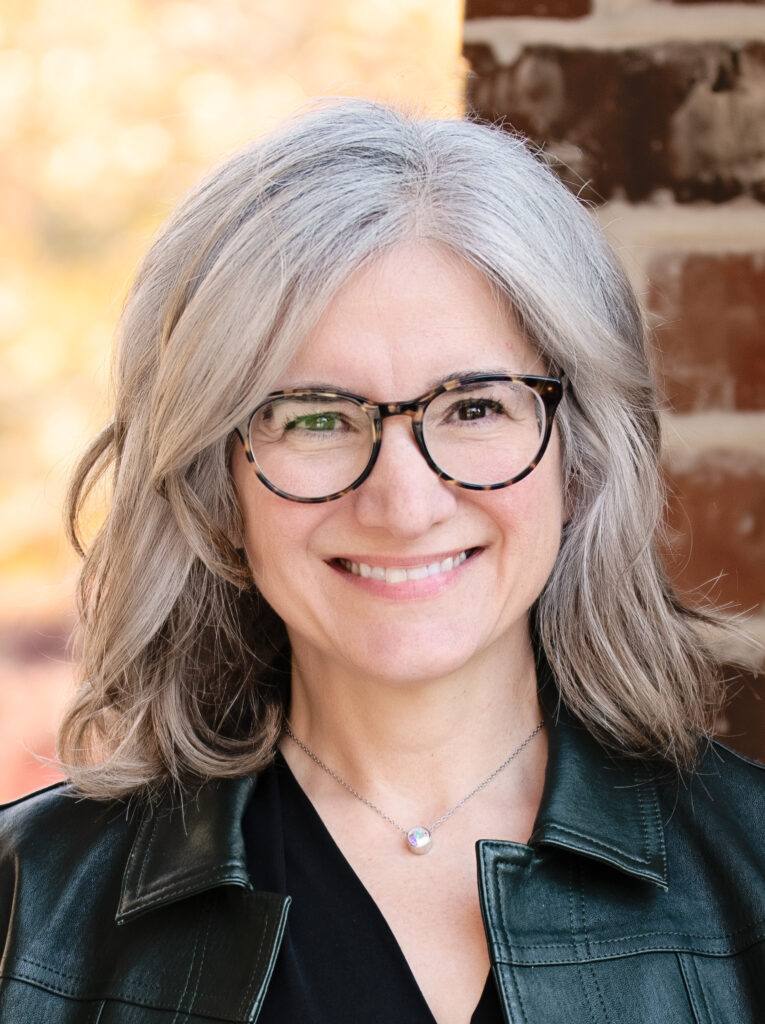
Nancy L. Weaver, Ph.D., M.P.H., is a Professor at Saint Louis University’s College for Public Health and Social Justice and Founder of Support Over Silence, LLC.
Photo by Gustavo Fring via Pexels




Leave A Comment