
By Ellen Ward, Intern at Kentucky Youth Advocates
 Adverse Childhood Experiences (ACEs), including trauma such as abuse, neglect, and family dysfunction, are widely recognized for their lasting effects on mental health. Not as obvious, however, is the physical toll ACEs take on the body, which is equally significant and long-lasting. Chronic stress stemming from childhood trauma can lead to a range of serious health issues.
Traumatic experiences in childhood trigger a cascade of stress responses in the body. This includes the release of hormones like cortisol, which can disrupt bodily functions and lead to chronic inflammation. Over time, this prolonged stress response can weaken the immune system, making individuals more susceptible to a range of chronic inflammatory conditions. Research has shown that individuals with high ACE scores are significantly more likely to suffer from such diseases in adulthood.
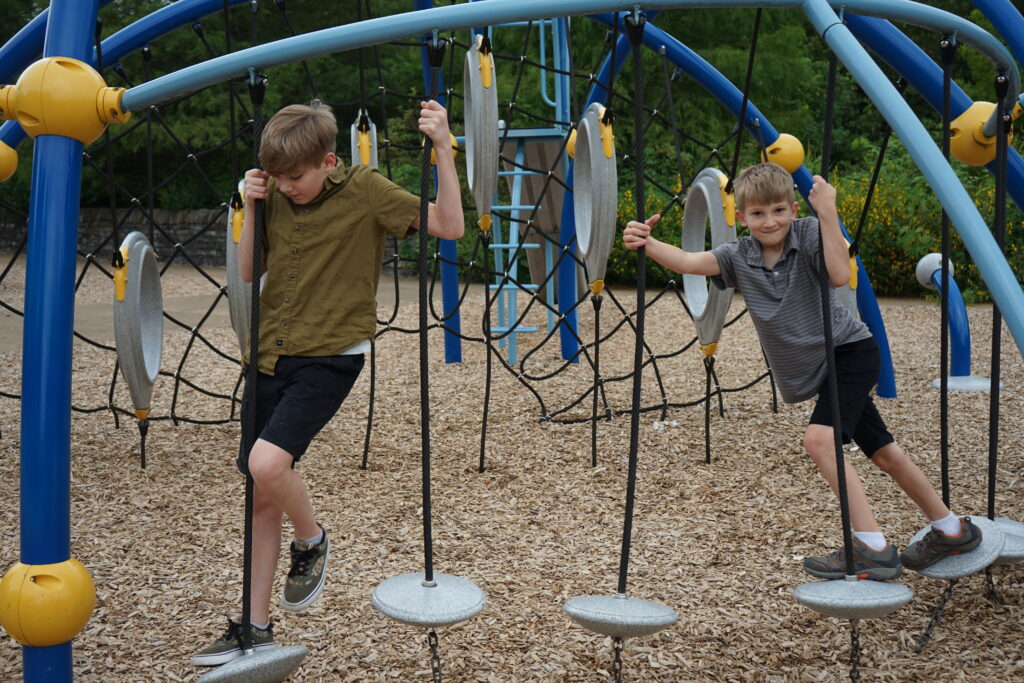
Fortunately, regular physical activity is one of the most effective tools for reducing the harmful effects of chronic stress.
- Exercise helps lower cortisol levels, reduce inflammation, and improve cardiovascular health.
- For children with a history of trauma, physical activity can not only boost their physical health, but also provide emotional regulation and stress relief.
- Long-term, these habits can help prevent the onset of chronic diseases associated with ACEs.
Schools are uniquely positioned to act as a buffer against the long-term health effects of ACEs. By promoting regular physical activity through PE classes, recess, and after-school sports, schools can help reduce student stress, build resilience, and improve overall health. Adopting trauma-informed practices further supports this effort by creating environments where children feel safe to express their emotions while staying active. Programs that integrate physical activity with mindfulness, such as yoga or therapeutic drama and music, can be especially beneficial, teaching children how to regulate their emotions in a healthy way.
As Bessel van der Kolk writes in The Body Keeps the Score, “The greatest hope for traumatized, abused, and neglected children is to receive a good education in schools where they are seen and known; where they learn to regulate themselves, and where they can develop a sense of agency.” Physical activity programs are instrumental in fostering such regulation and thus are part of this hope.
Addressing the profound and enduring health effects of childhood trauma requires multifaceted strategies. One strategy is for schools to prioritize physical wellbeing as a key component of a comprehensive approach to student well-being. Educators and policymakers can advocate for robust PE programs that give all students the opportunity to thrive – physically and emotionally. By making schools spaces that support both mental and physical health, we can help break the cycle of trauma and pave the way for a healthier Kentucky.
The link between ACEs and long-term physical health is now clear, but so too is the opportunity to intervene. Schools are in a powerful position to offer a pathway to improved physical and mental health by promoting physical activity. By recognizing this role and integrating trauma-informed approaches, schools can help students heal from their past and build a brighter, healthier future.





A widespread violence against children (and a lack of legal protection, especially from corporal punishment) in a country also has a negative impact on its peacefulness, explains Austrian peace researcher Franz Jedlicka in his articles.
Betty