
By: Liltoyria Bohler, Intern at Kentucky Youth Advocates
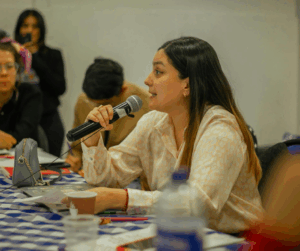 I attended The Kentucky Harm Reduction Summit, which was a gathering for people to learn and share ways to reduce the harm to individuals and communities associated with drug usage. At the summit, there was a youth panel, and they said they feel as though they are heard by adults but not listened to; I believe it’s important to listen to youth and not just hear. When it comes to substance usage, they know how to reach and talk with their peers best. That means taking action when they tell you something needs to change and listening to their ideas.
As the trolls in Frozen wisely sang, “People make bad choices when they’re mad or scared or stressed.” When people use substances, it changes their brain chemistry and oftentimes does not allow people to be their true self, due to this they are not the best version of themselves. This is sad, and substance abuse does not only affect the person who is using. It also affects those in their life. By casting people who abuse substances to the side, you’re also hurting society.
Children and adults alike learn by observation, but children lack the critical thinking skills more than adults do due to brain development and other factors. When children see things with signs that say “just say no” when referring to drug abuse, they may think the person in their life chooses drugs over them or that drugs are a choice. Due to how addiction works, drug usage is not a choice. As I previously stated, people can’t make the best decisions when they are on drugs so how can they make the decision to stop and do it successfully without support? If we villainize people who use drugs, people are too scared to support them and it creates a cycle.
What makes people abuse drugs in the first place? There is no simple answer to that question because it varies for everyone. Some people get addicted to their prescribed drugs, some people just want to be social and fall prey to peer pressure, and because of their genetic makeup, they have a higher chance of getting addicted than their friend. With support from friends, family, and community, we can get better. Positive relationships and experiences help combat substance usage.
If you’re interested in learning more about early identification of substance use, preventing initiation of substance use, and how you can take action, the Opioid Data Dashboard on Children and Families is a tool that has data by county. Check out your county’s data, and listen to the youth in your life.
Want to receive updates from Kentucky Youth Advocates about the Opioid Data Dashboard on Children and Families? Sign up for email updates HERE.
For more resources on substance use prevention, see the following
– Just Say No – Campaign, Nancy Reagan & Drugs | HISTORY
– 2025 Kentucky Harm Reduction Summit
– Opioid Dashboard – Kentucky Youth Advocates



Leave A Comment