
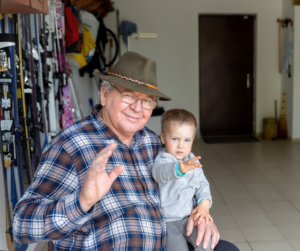
 At least 6% – twice the national average – of Kentucky kids are known to be in the care of relative or fictive kin caregivers, collectively known as kinship caregivers. Kinship caregivers are diverse, and each situation is different, but most of us came into it without enough preparation or support. The Kinship Families Coalition of Kentucky exists to address this issue through education and policy recommendations.
This month, as part of the Coalition’s efforts to connect with kinship caregivers, direct service providers, and other advocacy organizations, we attended the annual GAP conference in Lexington. A mix of kinship caregivers, advocates, and professionals were there to learn more about navigating the legal system, strategies for safety and support, and more.
Overall, kids in kinship care tend to fare better in many ways than kids in foster care. Kinship care can also help to minimize trauma and preserve community and cultural connections. However, kinship caregivers often find themselves feeling isolated and unprepared in navigating the sudden responsibilities and complex systems involved.
A decade ago I was given less than 24 hours to decide on emergency custody of a 5-month-old family member who otherwise risked going to foster care.
I felt completely unprepared to find adequate childcare and often had to take a full day off work to wait in long lines for assistance. It was lonely and tough for a while but we made it this far largely because we’ve had laughter and quality time every day, maintained important family connections and boundaries, and slowly built a community of care that works for us.
My community of care now looks different than I would have imagined before caring for a child – we’ve made unexpected connections and friends who have helped sustain our well-being. I found it important to reach out farther than I normally would have, since old friends sometimes just couldn’t understand or sync with the ways my situation had changed.
Our stories are all different, but for the sake of Kentucky’s children and our communities, it’s important to connect and share resources. A sampling of who we talked to at the GAP Conference reflects some of the diversity of experiences, each with their own unique communities of care while connecting and sharing resources with each other:
- A young adult with custody of her siblings
- A 71 year old grandparent caring for her grandson
- A family friend serving as de facto custodian for a group of siblings
The GAP conference is a good way to help us look with fresh eyes at the challenges and supports available in our communities for kinship families. These include things we may not have thought of, like how grief affects kinship caregiving and how peer support can help us navigate the journey.
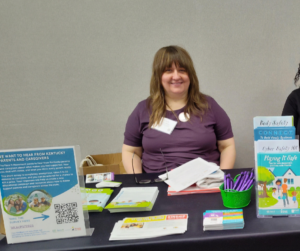
The Kinship Families Coalition of Kentucky made connections and shared resources for safe parenting as well as navigating the child welfare system. The Coalition has a more comprehensive list of resources online as well as a resource database searchable by county.
This year we will be delivering three “Kinship 101” presentations to discuss paths to permanency and benefits in Laurel, Shelby, and Logan counties. Locations were chosen because they are in areas with the lowest percentage of formally recognized kinship caregivers by the Kentucky Department for Community Based Services (DCBS). For various reasons, many kinship caregivers do so informally, and our intent is to ensure they have the information needed to make the best-informed choices for their families.
Follow the Kinship Families Coalition of Kentucky Facebook page for more updates.




Leave A Comment