
By Jane Herms, President/CEO, Family Nurturing Center
By shifting the focus from supervision to active parenting, child welfare systems are helping children stay connected, families heal, and reunification become possible.
For children separated from their parents because of abuse, neglect, or other safety concerns, time spent together during that separation is more than a moment on a calendar — it’s a lifeline. Those visits are opportunities to preserve bonds, nurture relationships, and lay the groundwork for healing and reunification.
Supervised parenting time — often still referred to as supervised visitation — is the structured, court-ordered opportunity for a non-custodial parent to spend time with their child under the supervision of a neutral third party. For many years, these visits focused primarily on observation: someone sat in the room, documented what they saw, and ensured that interactions were safe. Safety remains essential, but we now understand that this narrow approach overlooked the deeper potential of parenting time to support families and change outcomes.
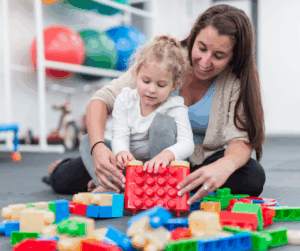
The shift from “visitation” to parenting time reflects more than a new name — it represents a broader change in philosophy and practice. Parents aren’t simply visiting their children — they are parenting them. These moments are opportunities to nurture their child’s growth, practice new skills, and demonstrate progress.
This evolution also raises expectations and possibilities: parents are encouraged and supported to actively engage in their child’s life, rather than being passive participants in a scheduled visit.
And the change doesn’t stop with language. Many visitation practices themselves have evolved. Years ago, it wasn’t unusual for birth parents and foster parents to use separate entrances and have no contact with one another — a practice that kept them apart by design. Now, we know that when it’s safe and appropriate, those interactions can be incredibly valuable for everyone involved. When birth and foster parents share information and encouragement, it reduces anxiety, strengthens a child’s sense of security, and reinforces the shared goal of helping that child thrive.
The research is clear – supervised parenting time:
- Strengthens parent-child relationships and is strongly associated with shorter out-of-home-care placements and faster reunification,
- Minimizes the negative impact of separation and loss experienced by families, and
- Enhances parental motivation to change through reassurance that staying connected is good for their child’s well-being.
Simply put, it helps families stay connected and creates the possibility for healing.
At Family Nurturing Center, we’ve embraced this shift and built a supervised parenting time model that meets the needs of families and the child welfare system today.
- Our services are trauma-informed, grounded in research, and structured to address the complex realities families face.
- We provide a safe, therapeutic environment where parents and children can spend meaningful time together, strengthen their relationships, and prepare for reunification.
- And in cases where parental rights are terminated, we help mitigate the trauma of separation for both parent and child.
Investing in parenting time is one of the most impactful steps we can take in child welfare. Every dollar spent on safe, supportive opportunities for parents and children to be together strengthens family bonds, supports healing, promotes healthier outcomes, and reduces costly long-term system involvement.
 As the Kosair for Kids Face It Movement prepares to make supervised parenting time a state legislative priority in 2026, it’s clear that this work is not just about time together — it’s about building bridges that help families stay connected and children thrive.

About Family Nurturing Center
Family Nurturing Center is a longstanding partner of the Kosair for Kids Face It Movement, serving families in northern Kentucky and Southern Ohio, guided by a vision of ending “the cycle of child abuse by promoting individual well-being and healthy relationships” through specialized services and programs, education, support, and training for adults and children. The organization is recognized for its trauma-informed, evidence-based approaches — including specialized therapies and innovative parenting time programs — that strengthen parent–child relationships, support healing, and build resilience.



Leave A Comment