
 Every fall, data nerds rejoice, because it means the release of the newest American Community Survey one year estimates from the Census Bureau. While the one year estimates are not as thorough as the five year estimates that are released in December, they still provide a wealth of knowledge for many topics, including demographics, income, poverty, housing, and education. These estimates can help guide legislators, community leaders, and community members toward policies that work to improve the situations of all Kentuckians.
This September, the Census Bureau released new tables with information about poverty and health insurance.
In 2024, 19% of children under 18 in Kentucky lived in poverty. This is slightly more than the national average of 16%, but a marked improvement from 10 years ago, when 26% of children lived in poverty. The most common age for a child to live in poverty is from birth to five years old in 2024, with 21% of children in Kentucky under age five living in families below the poverty level. There are also differences along racial lines, with only the percentage of Non-Hispanic White children – at 17% – being below the statewide percentage (19%) .
An estimated 54,000 children under 18 years old did not have health insurance in Kentucky in 2024, which is a ten year high. Uninsured children are less likely to receive care when sick due to the cost and less likely to have recommended preventive care like well-child visits. Hispanic or Latino children were less likely to have health insurance than any other race with 11% being uninsured, which is more than twice the state percentage (5%). Children in Kentucky are primarily insured by either their parents’ employment insurance (45%) or by public insurance, such as Medicaid or KCHIP (39%).
By investigating the “why” behind the data points and changes, policymakers and community leaders can implement programs and policies to help improve children’s well being. Additional data at the county level on these (and many other) subjects will be available at the launch of the annual KIDS COUNT County Data Dashboard on November 19th.
Lastly, you may have heard that the funding to pay for the 2030 Census, which is required in the constitution, is still under discussion at the federal level. It is crucial that unbiased, nonpartisan data is available from the Census Bureau for state and local governments and communities to make planning decisions regarding numerous aspects of community life.
Call your federal representatives and let them know that the Census is important to your community! Check out KYA’s Census Advocacy Toolkit for more information and resources.
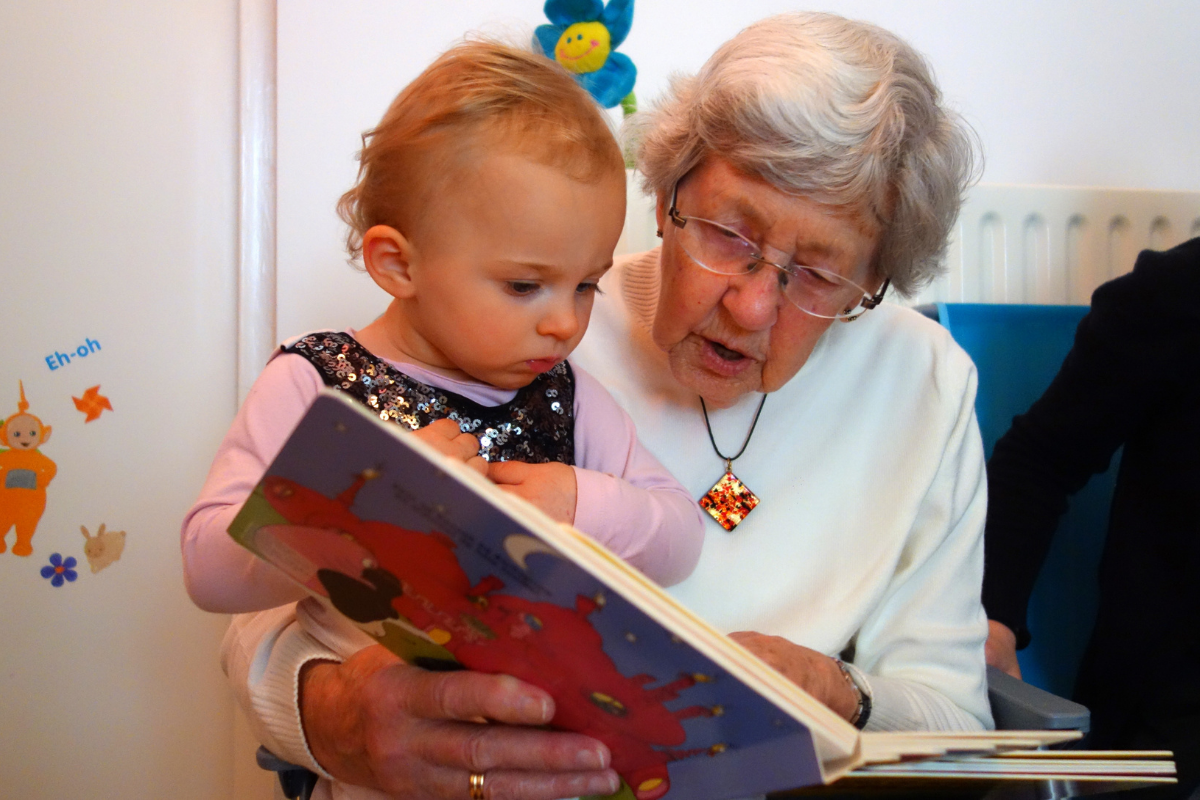
Image courtesy of Jkha via Dreamstime.com



Leave A Comment