

Although many families struggle to find safe and affordable child care for their young children, it can be even harder for families whose children have disabilities. Some children may need to find a child care program with accessible playgrounds that allow children in wheelchairs or walkers to move more freely in the environment. Other children may need accommodations if they have low vision or a hearing impairment. Among the most common concerns in child care programs is children that have behavioral challenges due to disabilities such as Autism. Many child care providers are on limited budgets that do not allow for extra staffing to support these students. Without extra resources, more children with disabilities are being expelled from child care programs throughout the country.
Preschool students are expelled at three times the rate of children in the K-12 school system, and these expulsions disproportionately affect children of color, boys, children who are socio-economically disadvantaged, and children with disabilities. In 2024, Kentucky Youth Advocates conducted a survey of child care centers and family child care homes in Kentucky which revealed key insights:
- Out of the 439 child care programs that responded, more than half reported they had expelled a student with challenging behaviors in the previous twelve months
- Some programs had expelled multiple children during that time period
- Survey data indicated that these expulsions were due to a lack of financial resources to support these children in the classroom and a lack of teacher training to help these children be successful in the learning environment
Having a child expelled from preschool can impact the entire family. It is hard for all caregivers to work if they do not have reliable child care in place, but families with children with disabilities often need to work more than families of typically developing children. These families often have significantly higher medical expenses in order to provide for their children’s needs due to doctor’s appointments or regularly scheduled therapy. Data also shows that more children with disabilities are born into low income families, placing the family at an automatic disadvantage.
Another troubling outcome is that children with disabilities are more likely to be abused in child care programs due to factors like challenging behaviors and teacher stress. Data shows that one in three children with disabilities will be abused in their lifetime, which means they are significantly more likely to experience abuse than a typically developing child. Caregivers working in child care programs often experience high stress levels from factors like large classroom sizes and challenging behaviors in the classroom which can lead to an increased risk of child abuse.
Recent data from the Kentucky Cabinet for Health and Family Services showed that child abuse numbers in child care programs in 2024 saw a significant increase from the previous year, including:
- 46% increase in hotline complaints from 2022–2024
- 73% increase in substantiated incidents of child abuse and neglect
- 64% increase in serious injuries to children in licensed child care impacting up to 764 children
Although these numbers include both children with disabilities and typically developing children, qualitative data shows that children with challenging behaviors, often influenced by a disability, are often the source of stress that can put a child at risk of abuse.
What is the Solution?
Although there may be no single solution to providing quality care to children with disabilities, there are clear changes that can help support caregivers in childcare settings.
- Early childhood educators, in child care centers and family child care homes, need more training on how to support children with disabilities. All of Kentucky’s regulated child care programs have annual training requirements for staff members; however, there is no requirement on what that training should be about. One in five children in the United States have a documented disability, so approximately 20% of the children in each early childhood classroom need additional support to be successful. Teachers must have training on how to offer this support.
- Children who qualify for special education services through the Kentucky Early Intervention System or through their local public school district should be able to access those services during the day in their child care programs with the permission of the family. Receiving pediatric therapy services in the early childhood classroom can be an asset to the child as well as the early childhood educator. The teacher can learn from the specialist how to help the child in the classroom environment and continue to use those skills even when the therapist is not present.
Although many high-quality child care programs already utilize both of these resources, not every program takes advantage of recommendations that can greatly improve the quality of child care for children with disabilities. It is essential that all child care programs use these tools so that our most vulnerable children have access to a quality learning environment.
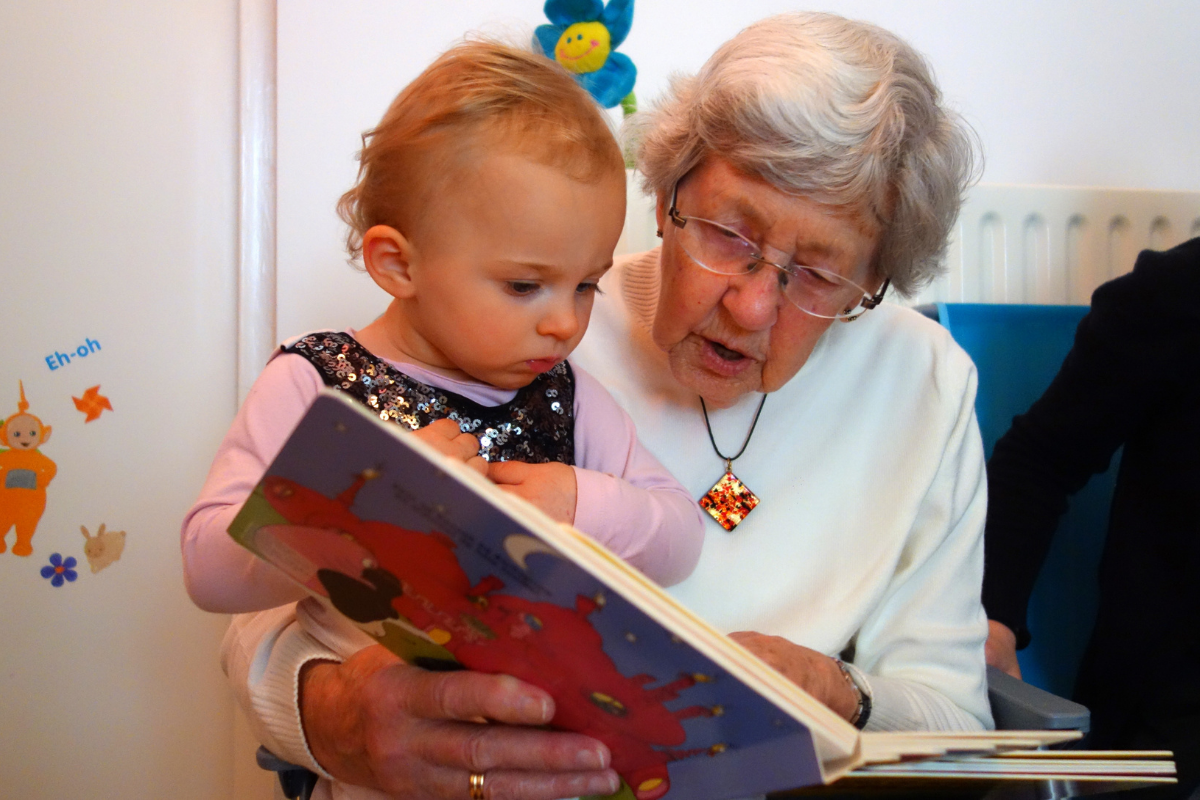
Image from Kamonrutm via Dreamstime




Leave A Comment