
By Kayla Harmon, a member of KY SEAT
 Having a child in foster care is one of the most heart-wrenching and complex experiences a biological parent can go through. It’s not just a separation from your child; it’s a journey full of emotional ups and downs, personal growth, and—most importantly—learning to trust in a system that will hopefully bring your family back together.

But one thing is certain: the key to success in this process for all involved parties is inclusion and communication.
Imagine foster care as a basketball game. The biological parents, foster parents, case workers, judges, and all other involved parties are like players and coaches on a team. Each person has a role to play, and every role is essential to winning the game. If one player doesn’t show up or doesn’t give their best effort, the game gets harder, and the chance of success is reduced.
The same goes for the foster care system. If anyone—whether it’s a foster parent, biological parent, or caseworker—fails to show up or communicate effectively, the process becomes more challenging and prolonged.
As biological parents, we don’t expect perfection. We’re human, after all. And we’re often facing struggles that go unnoticed: mental health battles, substance use issues, or deep-rooted trauma. But these struggles don’t mean we don’t love our children. They simply mean we have obstacles to overcome before we can reach our full potential as parents.
That’s where foster parents and caseworkers come in. You play an incredibly important role—not just in caring for our children but in believing in us, encouraging us, and guiding us to get the help we need.
Just as every player on the basketball team has an important role, so does every participant in the foster care process. From the judge making decisions, to the caseworker supporting families, to the foster parents providing care and stability, everyone’s contribution matters. It’s vital that everyone involved works together to build a positive relationship, both with the child and with each other.
This unity creates a strong environment for the child and sets the stage for a successful reunification process.
What’s often missed is the need for empathy and encouragement toward biological parents, especially those who may be struggling with mental health or addiction. These struggles should never be seen as a barrier to love. Instead, they are challenges that need understanding, support, and guidance.
If a biological parent feels like they are being judged or written off, it’s that much harder for them to progress. But when foster parents and caseworkers approach them from a place of nonjudgmental support, things can change. You might be the only one who believes in them, and that belief could be the difference between success and failure.
If we want to be the reason families succeed, we have to show up for each other—every single player on the team. The ball is in your hands. Communication, inclusion, and trust are the game changers. By working together, we make the team stronger, and ultimately, we win.
Remember, every voice matters. Whether you’re the biological parent, the foster parent, or the caseworker, you have a role to play in the child’s journey. Let’s build a team that creates lasting, positive change.
May is Foster Care Awareness Month. Learn more about foster care and adoption in Kentucky from KY FACES.
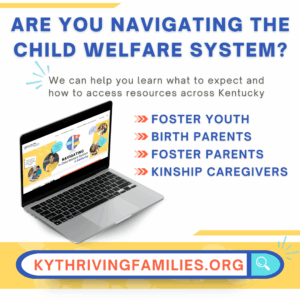
If you are navigating the Kentucky child welfare system and need support, check out kythrivingfamilies.org.
Photo by Jackbluee via | Dreamstime.com



Leave A Comment