
By Peyton Walker, Intern at Kentucky Youth Advocates
 In Kentucky, far too many families know the pain of losing a loved one to an accidental overdose. As the opioid epidemic continues to impact communities across the Commonwealth, prevention remains a critical tool in protecting children and families.
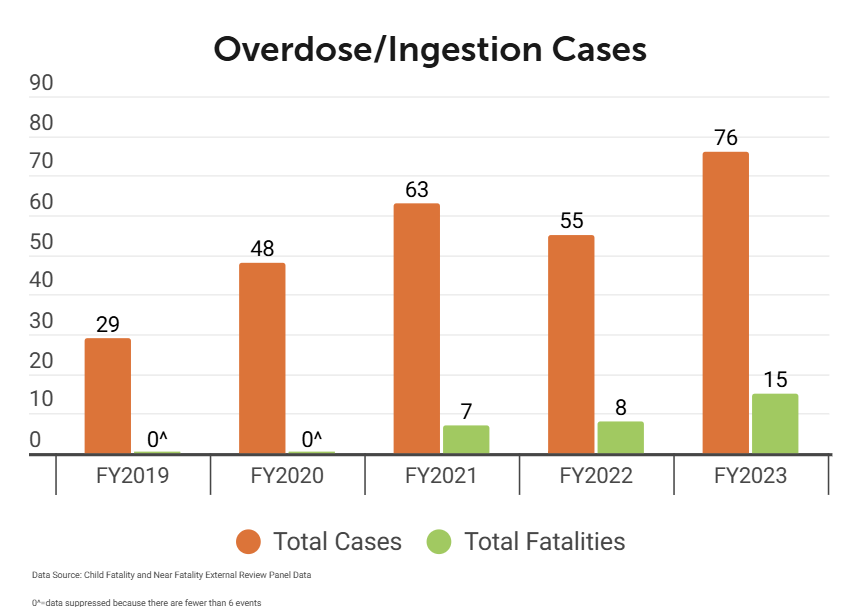
According to the 2024 Annual Report by the Child Fatality and Near Fatality External Review Panel, the rate of fatal pediatric ingestions/overdoses has risen steadily over the past five years, reaching a new peak in 2023 with 76 total cases and 15 fatalities. Additionally, the report found that 100% of fatal ingestion cases involved a child four years of age and younger, and that 80% of the total ingestion cases – including those that did not result in fatalities – were preventable.

One simple but powerful step every adult can take is safely storing medications in the home. Children are naturally curious. Without secure storage, prescription medications—especially opioids—can easily become a source of danger. Poison control centers across the country receive an average of one call every minute because a child has gotten into medicine.
Safe Medication Storage is an Adult Responsibility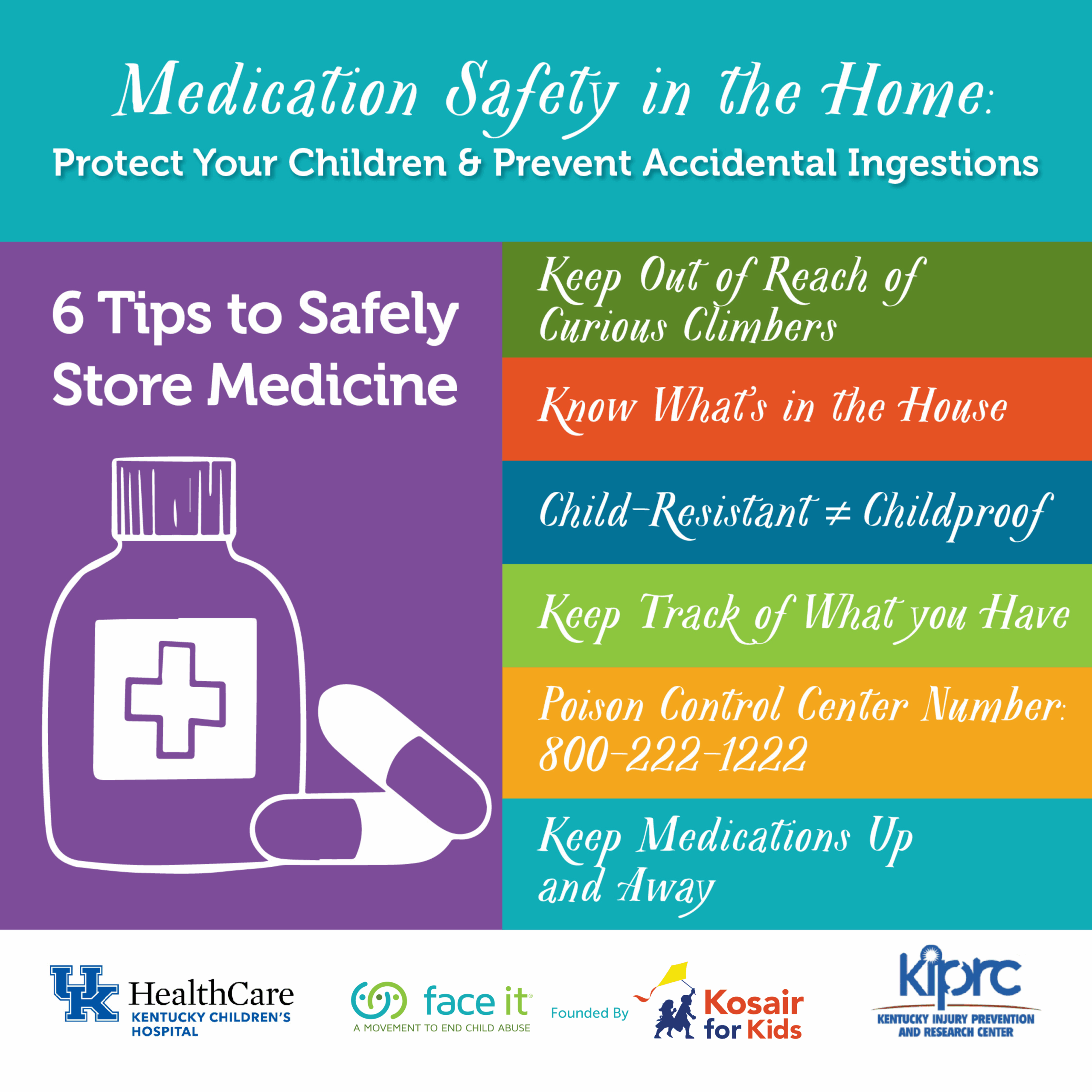
The Kosair for Kids Face It Movement to end child abuse reminds us that safe storage is not only about keeping medications out of sight but also out of reach and locked away. Medications should be stored in a locked cabinet, box, or safe storage device that children and teens cannot access. Families should also safely dispose of unused or expired medications at drop boxes located across the state.
You can find tips and resources for safe medication storage from Face It here: faceitabuse.org/safemedicationstorage
How Opioid Settlement Funds Can Support Prevention
Kentucky is receiving historic opioid abatement settlement funds—resources that can and should be used to invest in prevention strategies that save lives. One impactful use of these funds is the purchase and distribution of safe medication storage devices to families, especially those with young children or individuals in recovery.
Funds could be used in communities to:
- Provide lockboxes or lock bags to families in need
- Partner with pediatricians, treatment providers, and schools to distribute devices
- Launch awareness campaigns on safe storage and disposal
- Integrate safe storage education into home visits or parenting classes
Effective prevention doesn’t require major overhauls to infrastructure—it requires commitment, coordination, and community investment. A small investment in safe storage can prevent a tragedy and support long-term healing.
Know Your County’s Story
Want to see how kids and families in your community have been impacted by opioid misuse and what prevention strategies counties are putting in place?
Visit the Kentucky Youth Advocates Opioid Data Dashboard on Children and Families to explore local data on youth substance use rates, neonatal abstinence syndrome, youth removal due to substance use, and more. Use this tool to spark conversations and advocate for smart, data-informed use of settlement funds in your county.
Let’s ensure every Kentucky child is safe at home—starting with the medicine cabinet. Safe storage is a small action with life-saving potential, and with intentional use of opioid abatement funds, we can educate and equip households with the tools to protect our most vulnerable.
Sign up for email updates here to learn when new data and resources are added to the dashboard.


Leave A Comment